
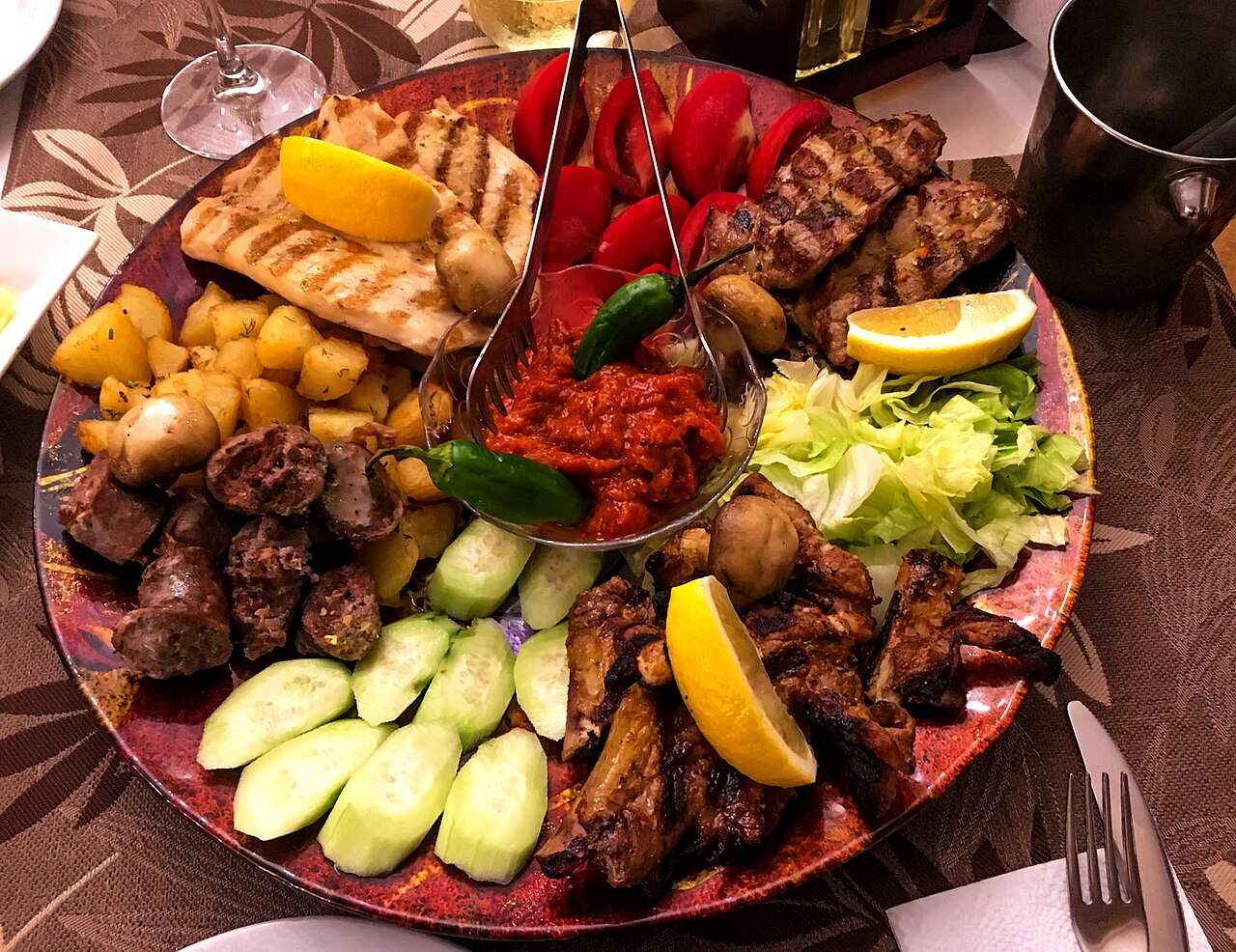
Bulgarian Food: 25 Traditional Dishes You Must Try
Bulgarian food is hearty, seasonal, and shaped by centuries of cultural influences. Sitting at the crossroads of Europe and Asia, Bulgaria has developed a cuisine that combines fresh vegetables, dairy products, grilled meats, slow-cooked stews, and baked pastries. Many traditional Bulgarian dishes rely on simple ingredients, but the results are comforting, flavourful, and deeply connected to local traditions.
If you’re planning a trip to Bulgaria or simply want to learn more about the cuisine of Bulgaria, this guide covers the country’s most popular foods, key ingredients, and the traditional meals that locals continue to enjoy today.
What is Bulgarian food?
Bulgarian food reflects the country’s geography, agricultural heritage, and history. The cuisine shares some similarities with neighbouring Balkan, Mediterranean, and Eastern European countries, yet it maintains a distinct identity through its use of local ingredients and traditional cooking methods.
Fresh vegetables feature heavily in everyday meals, particularly tomatoes, peppers, cucumbers, and cabbage. Dairy products also play a major role, with Bulgarian yoghurt recognised worldwide for its unique bacterial culture. Meat is commonly used in main dishes, while herbs and spices are generally kept simple, allowing natural flavours to stand out.
One of the defining features of Bulgarian cuisine is its emphasis on seasonal ingredients. Many recipes have been passed down through generations and remain staples in family kitchens across the country.
A brief history of Bulgarian cuisine
The cuisine of Bulgaria has evolved over thousands of years. Ancient Thracian traditions laid the foundation, while later influences came from the Byzantine, Ottoman, Slavic, and Mediterranean worlds.
During the Ottoman period, dishes such as stuffed vegetables, grilled meats, and layered pastries became integrated into local cooking. At the same time, Bulgaria preserved many of its own rural food traditions based on farming, dairy production, and home-grown vegetables.
Today, Bulgarian cuisine balances tradition and modernity. While contemporary restaurants offer updated interpretations of classic recipes, many of the country’s most beloved foods remain remarkably unchanged.
Key ingredients in Bulgarian cuisine
Before exploring traditional Bulgarian dishes, it helps to understand some of the ingredients commonly found across the country.
Bulgarian yoghurt
Often considered one of Bulgaria’s most famous culinary exports, Bulgarian yoghurt is known for its creamy texture and distinctive flavour.
White brined cheese (Sirene)
Similar to feta but typically creamier, sirene is used in salads, pastries, and many everyday meals.
Tomatoes and peppers
Fresh vegetables form the backbone of countless Bulgarian meals, particularly during the summer months.
Cabbage
Used in soups, stews, salads, and stuffed dishes, cabbage is a staple ingredient throughout the country.
Herbs and spices
Parsley, dill, mint, paprika, and savoury are among the most commonly used seasonings.
Traditional Bulgarian breakfasts
Breakfast in Bulgaria is often simple, filling, and built around ingredients that have been staples in local kitchens for generations. Cheese, yoghurt, eggs, bread, and pastries feature heavily, creating meals that provide plenty of energy for the day ahead. While modern cafés serve international breakfast options, many Bulgarians still enjoy traditional dishes that reflect the country’s agricultural heritage and love of homemade food.
If you’re exploring Bulgarian cuisine for the first time, breakfast is one of the best places to start.

1. Banitsa
Few foods are more closely associated with Bulgarian cuisine than banitsa. This flaky pastry is made by layering thin sheets of filo dough with a filling of eggs and sirene, a white brined cheese that appears in many Bulgarian dishes. The pastry is then baked until golden and crisp on the outside while remaining soft and rich in the centre.
Banitsa is widely eaten throughout the country and can be found everywhere from family kitchens and village bakeries to city cafés. While the classic cheese-filled version is the most common, regional variations may include spinach, pumpkin, cabbage, or even minced meat.
Many Bulgarians enjoy banitsa alongside a glass of ayran, a refreshing yoghurt-based drink, or a cup of coffee. During Christmas and New Year celebrations, special versions of banitsa often contain lucky charms or handwritten fortunes hidden inside the pastry, making it an important part of local traditions.
For many visitors, banitsa is the first Bulgarian food they try and often one of the most memorable.
2. Mekitsi
Mekitsi are soft, fried dough pastries that have been a favourite Bulgarian breakfast for generations. The dough is typically made with yoghurt, flour, eggs, and yeast before being shaped and fried until lightly golden.
The result is a pastry that is crisp on the outside yet fluffy and airy inside.
Mekitsi are usually served warm and can be enjoyed in several ways. Some people prefer them sprinkled with powdered sugar, while others add honey, jam, chocolate spread, or cheese. A traditional combination pairs mekitsi with yoghurt and white cheese, creating a balance of sweet and savoury flavours.
Unlike grab-and-go breakfasts, mekitsi are often associated with relaxed mornings at home, particularly on weekends when families have time to prepare them fresh. Their comforting simplicity has helped them remain one of the most popular Bulgarian meals for breakfast.
3. Popara
Popara is one of the simplest dishes in Bulgarian cuisine, yet it holds a special place in many households. Traditionally prepared using stale bread, hot milk or tea, butter, and crumbled sirene cheese, it transforms basic ingredients into a warm and satisfying meal.
The bread softens as it absorbs the liquid, creating a texture similar to porridge. Depending on the region or family recipe, ingredients such as sugar, honey, or paprika may also be added.
Popara has long been considered a practical dish because it makes use of ingredients that are already available in most homes. It is often associated with childhood memories and remains a comforting breakfast that many Bulgarians grew up eating.
Although visitors may overlook it in favour of more visually impressive dishes, popara offers an authentic glimpse into traditional Bulgarian home cooking.
4. Princesses (Princesi)
Despite their unusual name, princesses are not pastries or desserts. These open-faced toasted sandwiches are a popular breakfast and snack found throughout Bulgaria.
The most common versions feature a thick layer of seasoned minced meat or grated cheese spread over slices of bread before being baked or grilled until golden. Some variations combine both toppings, creating an especially rich and satisfying meal.
Princesses are widely available in bakeries, cafés, and casual eateries, making them a convenient option for locals heading to work or school. The combination of toasted bread and savoury toppings makes them particularly filling, which helps explain their lasting popularity.
For travellers looking to sample everyday Bulgarian food rather than restaurant specialities, princesses provide a simple but authentic introduction to local eating habits.
Traditional Bulgarian dishes you must try
Beyond breakfast, Bulgarian cuisine offers a wide range of soups, salads, grilled meats, and slow-cooked meals. Many recipes have remained largely unchanged for decades, preserving flavours and cooking techniques that continue to define Bulgarian food today.

5. Shopska Salad
If there is one dish that appears on almost every restaurant menu in Bulgaria, it is Shopska Salad. Often described as the country’s national salad, it combines chopped tomatoes, cucumbers, roasted peppers, onions, and generous amounts of grated sirene cheese.
At first glance, the ingredients may seem simple. However, the quality of the vegetables and cheese makes all the difference. During summer, when local produce is at its peak, Shopska Salad becomes especially flavourful.
The salad’s red, green, and white colours mirror those of the Bulgarian flag, contributing to its status as a symbol of national identity. It is commonly served as a starter and frequently accompanies rakia, Bulgaria’s traditional fruit spirit.
Fresh, light, and easy to find, Shopska Salad is often recommended as the ideal introduction to Bulgarian cuisine.
6. Tarator
Tarator is one of the most distinctive soups in the cuisine of Bulgaria. Served cold, it is made from yoghurt, cucumbers, garlic, dill, walnuts, and water, creating a refreshing dish that is particularly popular during the warmer months.
The yoghurt provides a creamy base while the cucumbers and dill add freshness. Walnuts contribute texture and a subtle nuttiness that sets the soup apart from similar dishes found elsewhere in the Balkans.
During hot summers, tarator is often enjoyed as a light lunch or appetiser. Some people even drink it directly from a glass rather than eating it with a spoon.
For visitors unfamiliar with cold soups, tarator can be surprising at first, but it quickly becomes a favourite thanks to its refreshing flavour and simplicity.
7. Bob Chorba
Bob Chorba, or Bulgarian bean soup, is a staple of traditional home cooking. Found in households across the country, it demonstrates how simple ingredients can create deeply satisfying meals.
The soup typically combines white beans, onions, carrots, tomatoes, peppers, and herbs. Some recipes include smoked meat or sausage, while others remain entirely vegetarian.
Slow cooking allows the flavours to develop fully, resulting in a hearty dish that is especially popular during the colder months. Served with fresh bread, Bob Chorba often functions as a complete meal rather than just a starter.
Its affordability and nutritional value have helped it remain one of the most widely consumed Bulgarian dishes.
8. Shkembe Chorba
Few Bulgarian foods generate as much discussion as Shkembe Chorba. Made from tripe and flavoured with garlic, vinegar, and chilli, this traditional soup has a strong reputation among locals.
The broth is rich and savoury, while the seasonings allow diners to adjust the flavour according to personal preference. Many restaurants serve additional garlic, vinegar, and chilli on the side.
Although it may be challenging for some first-time visitors, Shkembe Chorba remains an important part of Bulgarian culinary culture. It is commonly enjoyed during colder weather and is often associated with late-night meals and social gatherings.
Trying it provides insight into a side of Bulgarian cuisine that extends well beyond the dishes typically found in tourist guides.
9. Kavarma
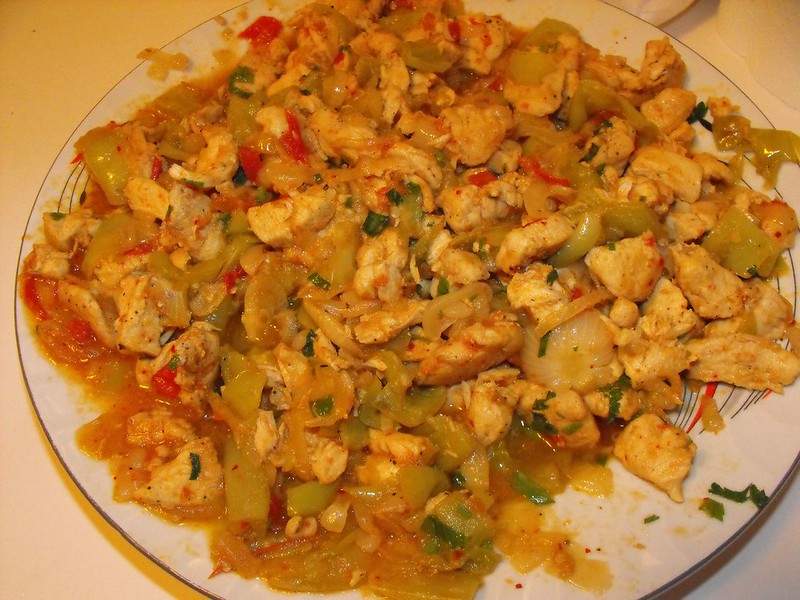
Kavarma is one of Bulgaria’s best-known slow-cooked dishes. Traditionally prepared in clay pots, it combines tender pieces of pork or chicken with onions, peppers, tomatoes, mushrooms, and herbs.
The slow cooking process allows the ingredients to develop rich, layered flavours while keeping the meat tender and juicy.
Different regions have their own interpretations, and some recipes include wine, additional vegetables, or local spices. The dish is often served directly in the clay pot in which it was cooked, adding to its rustic appeal.
Kavarma is a popular choice during colder months and offers an excellent example of the comforting, home-style cooking that defines many Bulgarian meals.
10. Gyuvech
Like Kavarma, Gyuvech is traditionally cooked in earthenware pots, but it typically contains a wider variety of vegetables alongside meat.
Tomatoes, peppers, aubergines, potatoes, and green beans commonly appear in the dish, although ingredients vary depending on season and region. Lamb, pork, beef, or chicken may also be used.
The slow cooking process creates a rich and flavourful stew where each ingredient contributes to the overall taste. Because it relies heavily on fresh produce, Gyuvech highlights the importance of seasonal ingredients in Bulgarian cuisine.
Its versatility has helped it remain a favourite in homes and restaurants across the country.
11. Mish-Mash
Mish-Mash is one of those dishes that perfectly captures the simplicity of Bulgarian home cooking. Made with eggs, roasted peppers, tomatoes, onions, and sirene cheese, it relies on fresh ingredients rather than complex preparation.
The vegetables are gently cooked until soft before the eggs and cheese are added, creating a dish that is both light and satisfying. Depending on the season and family recipe, some versions include parsley or other herbs for extra flavour.
Although Mish-Mash is commonly eaten for breakfast, it is equally popular as a light lunch or dinner. During summer, when tomatoes and peppers are at their best, many Bulgarians consider it a seasonal favourite.
For travellers looking to experience authentic Bulgarian cuisine beyond restaurant specialities, Mish-Mash offers a genuine taste of everyday life.
12. Kebapche
Kebapche is one of the most recognisable grilled foods in Bulgaria. These skinless sausages are made from minced pork, beef, or a mixture of both, seasoned with spices such as cumin, black pepper, and salt before being grilled over an open flame.
The result is a smoky, juicy dish with a distinctive flavour that sets it apart from similar grilled meats found elsewhere in the Balkans.
Kebapche is often served with fries, Shopska Salad, bread, or grilled vegetables. It is a common sight at casual restaurants, roadside eateries, sporting events, and outdoor festivals.
If you’re trying Bulgarian food for the first time, Kebapche is one of the easiest and most widely available dishes to order.
13. Kyufte
Often served alongside Kebapche, Kyufte are Bulgaria’s answer to grilled meatballs. Made from seasoned minced meat mixed with onions, herbs, and spices, they are shaped into flattened patties before being grilled.
Cumin plays a particularly important role in giving Kyufte its characteristic flavour. The seasoning profile differs slightly from meatballs found in other European cuisines, creating a taste that feels distinctly Bulgarian.
Kyufte are popular year-round and frequently appear on mixed grill platters. They pair well with fresh salads, roasted vegetables, and traditional breads.
Their combination of simple ingredients and reliable flavour has made them a staple of Bulgarian meals for generations.
14. Sarmi
Sarmi are stuffed cabbage or vine leaves filled with a mixture of rice, herbs, and sometimes minced meat. They are one of the most traditional Bulgarian dishes and are especially common during holidays and family gatherings.
The filling is carefully wrapped before being slowly cooked, allowing the flavours to develop over time. Vegetarian versions are often prepared during religious fasting periods, while meat-filled versions are popular throughout the year.
Each region has its own variation, and family recipes are often passed down through generations.
Sarmi may look simple, but they represent the strong connection between Bulgarian cuisine, seasonal ingredients, and traditional cooking methods.
15. Patatnik
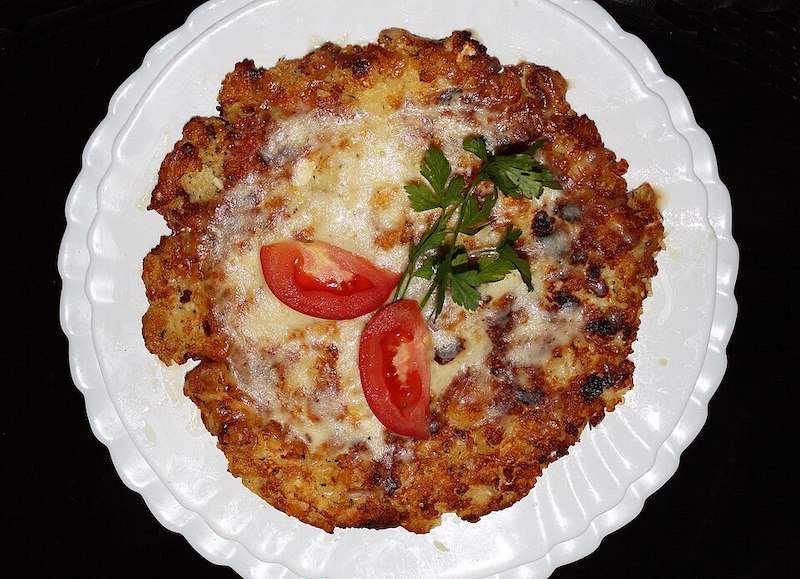
Patatnik is a speciality from the Rhodope Mountains and one of Bulgaria’s most distinctive regional dishes. Made primarily from grated potatoes, onions, and local herbs, it is cooked until crisp on the outside and soft inside.
Some versions include sirene cheese, while others remain entirely potato-based. The exact recipe often varies from village to village.
The dish reflects the agricultural traditions of the mountainous Rhodope region, where potatoes have long been an important crop.
Visitors travelling through southern Bulgaria often seek out Patatnik specifically because it is difficult to find elsewhere in the country. Its simplicity and unique flavour make it one of the most memorable regional Bulgarian dishes.
16. Kapama
Kapama is a celebratory dish that showcases Bulgaria’s love of slow cooking. Traditionally prepared in large clay pots, it layers different types of meat with sauerkraut, rice, herbs, and spices.
Pork, chicken, sausages, and sometimes veal may all appear in a single pot. The ingredients are cooked slowly for several hours, allowing the flavours to blend together.
Because Kapama is typically made in large quantities, it is strongly associated with family gatherings, festivals, and winter celebrations.
Rich, hearty, and designed for sharing, Kapama is one of the most substantial dishes in Bulgarian cuisine.
17. Sach
Sach refers both to the dish itself and the heated metal plate used to serve it. The plate arrives at the table sizzling, creating an impressive presentation that has made the dish popular in restaurants across Bulgaria.
A typical Sach includes grilled pieces of meat combined with onions, peppers, mushrooms, tomatoes, and other vegetables. Mixed versions featuring several types of meat are particularly common.
The high heat helps preserve the natural flavours while adding a lightly charred finish to the ingredients.
For visitors looking for a hearty meal to share, Sach is often one of the best options on the menu.
18. Musaka
Although many travellers associate Musaka with Greece, the Bulgarian version is noticeably different.
Instead of layers of aubergine, Bulgarian Musaka is usually prepared with diced potatoes, minced meat, onions, and herbs. A topping made from eggs and yoghurt is added towards the end of cooking, creating a golden crust.
The dish is widely eaten throughout the country and is especially popular as a family meal.
Its comforting combination of potatoes and meat makes it a favourite during cooler months, although it can be found year-round in homes and traditional restaurants.
19. Chushki Burek
Chushki Burek highlights Bulgaria’s love of peppers and cheese. Large roasted peppers are stuffed with sirene cheese, coated in batter, and fried until crisp.
The sweetness of the roasted pepper contrasts beautifully with the salty cheese filling, creating a balance of flavours that many visitors find surprisingly addictive.
The dish can be served as an appetiser, side dish, or light meal and is particularly popular during summer when peppers are in season.
Its combination of simple ingredients and bold flavour makes it a standout among traditional Bulgarian dishes.
20. Pulneni Chushki
Another beloved pepper-based dish, Pulneni Chushki consists of peppers stuffed with rice, minced meat, vegetables, and herbs before being baked.
The slow cooking allows the peppers to soften while the filling absorbs the surrounding flavours. Some regional variations include additional spices or different types of meat.
Pulneni Chushki is commonly prepared at home and remains one of the most familiar comfort foods in Bulgaria.
For travellers interested in experiencing traditional family-style cooking, it is a dish worth seeking out.
21. Karnache
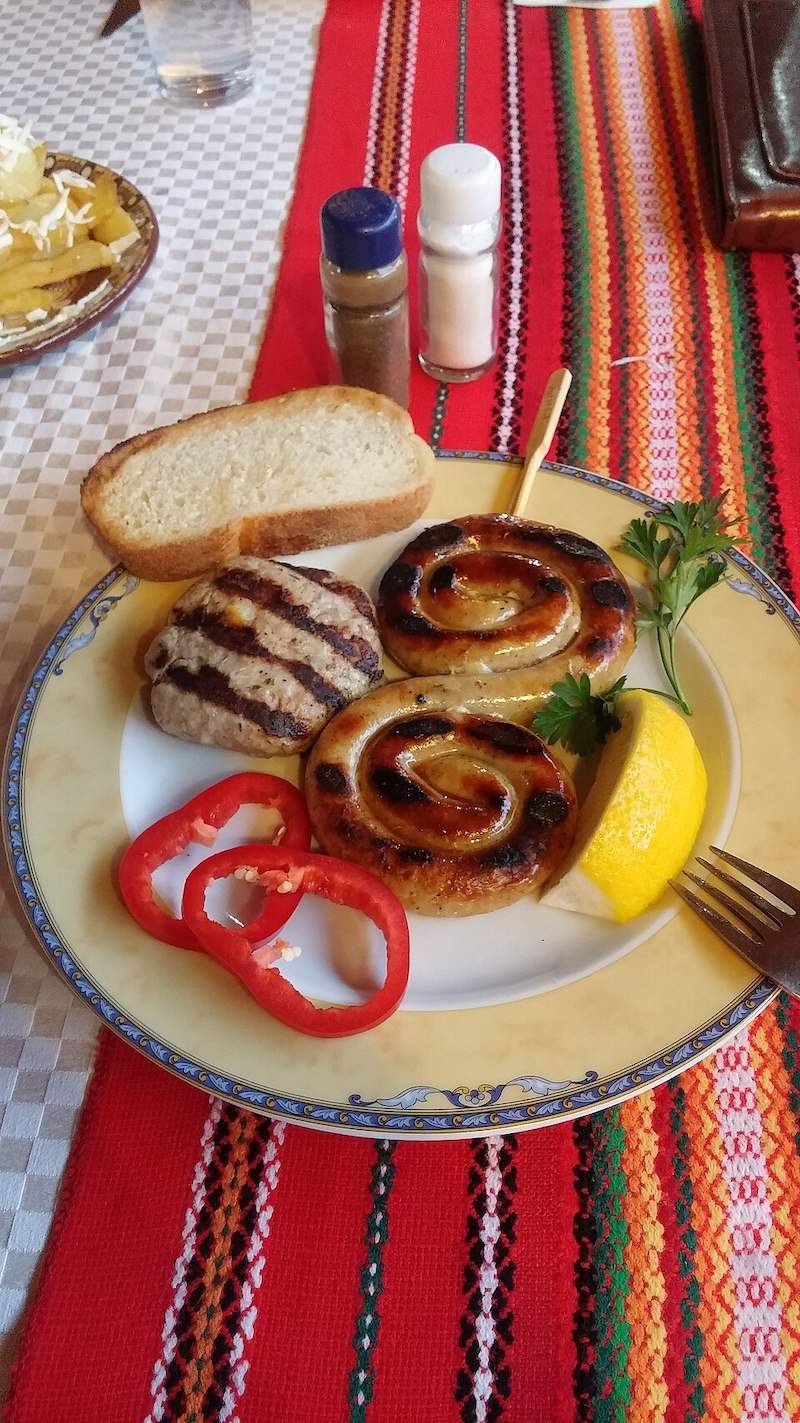
Karnache is a grilled sausage seasoned with cumin and other spices. Unlike many European sausages, it is often formed into long spirals before being cooked.
The smoky flavour and aromatic seasoning make it a popular choice at markets, food festivals, and outdoor events.
Karnache is frequently served with bread, mustard, or fresh salad and is often enjoyed as a quick meal while exploring local towns and cities.
Its popularity demonstrates Bulgaria’s strong grilling tradition, which plays an important role in everyday dining.
22. Cheverme
Cheverme is less an everyday meal and more a celebration of Bulgarian tradition. The dish involves roasting a whole lamb on a spit over an open fire for several hours.
The cooking process requires patience and expertise, resulting in exceptionally tender meat with a rich smoky flavour.
Cheverme is particularly associated with the Rhodope Mountains, where it often forms part of festivals, weddings, and major community celebrations.
Visitors fortunate enough to experience a traditional Cheverme gathering gain a deeper appreciation for Bulgaria’s rural food culture.
23. Ribena Chorba
Along Bulgaria’s Black Sea coast, seafood plays a larger role than it does in many inland regions. Ribena Chorba, or fish soup, is one of the area’s best-known specialities.
Fresh local fish is simmered with vegetables, herbs, and spices to create a light yet flavourful broth.
Recipes vary depending on the catch available, meaning the dish can differ from one coastal town to another.
For travellers visiting Bulgaria’s seaside destinations, Ribena Chorba offers a welcome change from the meat-heavy dishes often found elsewhere in the country.
24. Tikvenik
Tikvenik is a sweet pastry that shares some similarities with Banitsa but uses a completely different filling.
Thin layers of pastry are wrapped around a mixture of pumpkin, walnuts, sugar, and cinnamon before being baked until golden.
The combination of warm spices and sweet pumpkin makes it especially popular during autumn and winter. Many families prepare Tikvenik during festive periods, particularly around Christmas.
It is one of the best examples of how Bulgarian cuisine transforms simple seasonal ingredients into memorable desserts and pastries.
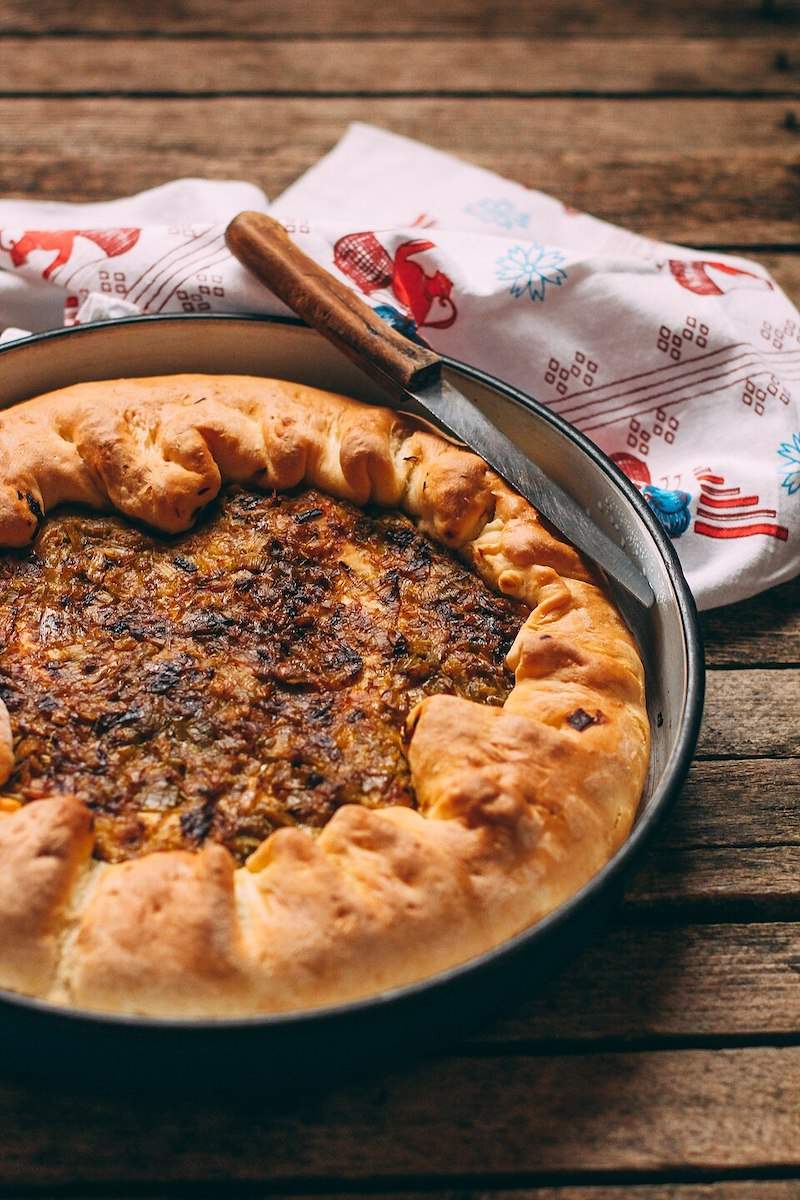
25. Zelnik
Zelnik is a traditional pastry that varies considerably between regions. Depending on the recipe, it may contain cabbage, spinach, leeks, herbs, cheese, or other fillings wrapped within thin pastry layers.
Historically, Zelnik was prepared using ingredients that were readily available throughout the year, making it a practical and economical dish.
Today, it remains popular in many rural areas and is often served during family gatherings and special occasions.
Its versatility reflects the resourceful nature of traditional Bulgarian cooking.
26. Katino Meze
Katino Meze is a rich clay-pot dish that combines meat, mushrooms, onions, peppers, and cheese.
The ingredients are cooked slowly until they form a deeply flavourful, hearty meal. The melted cheese adds richness, while the vegetables provide balance and texture.
Because of its generous portions, Katino Meze is often shared between diners.
It is particularly popular in traditional taverns where rustic cooking remains at the heart of the menu.
27. Banski Starets
Named after the mountain town of Bansko, Banski Starets is one of Bulgaria’s most respected cured meat products.
The sausage is made using carefully seasoned pork before being air-dried and matured over time. This process develops a complex flavour and firm texture that distinguish it from fresh sausages.
It is often served as part of appetiser platters alongside cheese, bread, and local wine.
For food lovers interested in regional specialities, Banski Starets provides an excellent introduction to Bulgaria’s charcuterie traditions.
28. Smilyanski Beans
Not every famous Bulgarian food is a finished dish. Smilyanski Beans, grown around the village of Smilyan in the Rhodope Mountains, are renowned throughout the country for their size, texture, and flavour.
These beans appear in soups, stews, and traditional family recipes.
The region even hosts annual celebrations dedicated to the harvest, highlighting their importance to local culture.
Their reputation demonstrates how closely Bulgarian cuisine remains connected to regional agriculture and local produce.
29. Kachamak
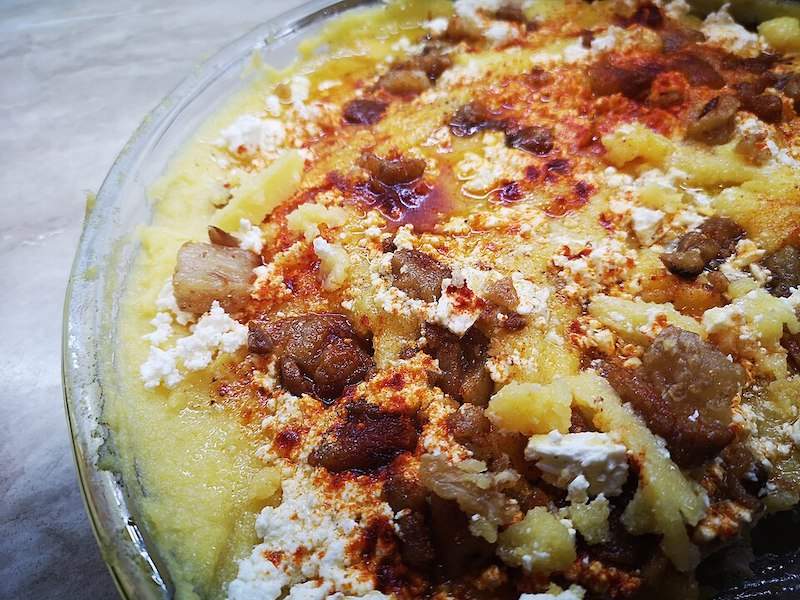
Kachamak is a simple cornmeal dish often compared to Italian polenta. Traditionally eaten by farming communities, it provided an affordable and filling source of energy.
The cornmeal is cooked until thick and creamy before being topped with butter, cheese, or fried onions.
While humble in appearance, Kachamak remains a comforting food that reflects Bulgaria’s rural culinary heritage.
Many traditional restaurants continue to serve it today, allowing visitors to experience one of the country’s oldest and most enduring dishes.
Bulgarian desserts worth trying
While savoury dishes dominate much of Bulgarian cuisine, the country also offers a variety of traditional desserts influenced by both local and Ottoman culinary traditions.
Baklava
Baklava remains one of the most popular sweets in Bulgaria. Layers of thin pastry are filled with chopped nuts and soaked in sweet syrup, creating a rich dessert that is often served during holidays and celebrations.
Although found throughout the Balkans, Baklava has become firmly established within Bulgarian food culture and remains a common feature at family gatherings.
Garash Cake
Garash Cake is one of Bulgaria’s most famous desserts and a source of national pride.
Made with layers of walnut sponge and rich chocolate cream, the cake delivers an intense flavour without being overly sweet. It was first created in Bulgaria in the late nineteenth century and remains a favourite in cafés and pastry shops today.
For many visitors, Garash Cake is the standout dessert of the cuisine of Bulgaria.
Revane
Revane is a light semolina cake soaked in sweet syrup after baking.
The syrup keeps the cake moist while adding a delicate sweetness that pairs well with coffee or tea. Its simplicity has helped it remain popular across generations.
It is commonly served in bakeries, restaurants, and family homes throughout the country.
Lokumki
Lokumki are soft biscuits filled with Turkish delight and dusted with powdered sugar.
Small and easy to eat, they are often served alongside coffee or offered to guests during social visits.
Their popularity reflects the Ottoman influences that continue to shape many aspects of Bulgarian cuisine.
Traditional Bulgarian drinks
Food plays a central role in Bulgarian culture, but drinks are equally important and often accompany traditional meals.
Rakia
Rakia is Bulgaria’s national spirit and one of the country’s most recognisable drinks.
Produced from fruits such as grapes, plums, apricots, or pears, it is commonly served before meals as an aperitif. Families often make their own homemade versions, and recipes are frequently passed down through generations.
No exploration of Bulgarian food and drink would be complete without trying a glass of Rakia.
Ayran
Ayran is a refreshing drink made from yoghurt, water, and a small amount of salt.
Simple yet incredibly effective on a warm day, it pairs particularly well with pastries such as Banitsa and fried foods like Mekitsi.
Its cooling qualities have made it a popular everyday drink across Bulgaria.
Bulgarian wine
Bulgaria’s winemaking history stretches back thousands of years, making it one of Europe’s oldest wine-producing regions.
Local grape varieties such as Mavrud, Melnik, Rubin, and Gamza produce distinctive wines that are becoming increasingly recognised internationally.
Wine tourism has also grown significantly in recent years, with many travellers now visiting Bulgaria specifically to explore its vineyards and wineries.
Boza
Boza is a traditional fermented grain drink with a thick texture and mildly sweet flavour.
Made from ingredients such as wheat or millet, it has been consumed throughout the Balkans for centuries.
Its unique taste may surprise first-time visitors, but it remains an important part of Bulgaria’s culinary heritage and is often enjoyed alongside pastries and baked goods.
Where to try authentic Bulgarian food
Visitors will find traditional Bulgarian cuisine throughout the country, but some of the best experiences often come from family-run restaurants and local taverns known as mehanas.
Cities such as Sofia, Plovdiv, Veliko Tarnovo, and Bansko offer a wide selection of traditional restaurants serving regional specialties. Rural villages and mountain regions can provide an even deeper look into Bulgaria’s culinary traditions.
Frequently asked questions about Bulgarian food
What is the most famous Bulgarian food?
Banitsa is often considered Bulgaria’s most famous dish, although Shopska Salad is equally iconic and widely recognised.
Is Bulgarian cuisine healthy?
Many Bulgarian meals feature fresh vegetables, yoghurt, legumes, and seasonal ingredients. While some dishes are rich and hearty, the overall cuisine can be part of a balanced diet.
Is Bulgarian food similar to Greek food?
There are similarities due to shared regional influences, but Bulgarian cuisine has its own traditions, ingredients, and distinctive recipes.
What should first-time visitors try?
If you’re visiting Bulgaria for the first time, start with banitsa, Shopska Salad, tarator, kavarma, kebapche, and a glass of local wine or rakia.
Final thoughts
Bulgarian food combines fresh ingredients, strong culinary traditions, and recipes that have stood the test of time. From flaky pastries and refreshing salads to slow-cooked stews and grilled meats, Bulgarian cuisine offers plenty of variety for travellers and food enthusiasts alike.
Whether you’re planning a trip to Bulgaria or exploring new cuisines from home, these traditional Bulgarian dishes provide an excellent introduction to one of the Balkans’ most distinctive food cultures.