

Italy’s Drinking Age Explained – Rules for Tourists & Locals
Introduction: Italy’s Love Affair with Libations
You’re in a small trattoria just outside Siena. Your server glides over, sets down a half-full carafe of house wine, and you catch that slight nod of “Go on, try it.” In Italy, alcohol—especially wine—isn’t something you guzzle at a party; it’s part of the rhythm of life. Breakfast doesn’t come with wine (I mean, please don’t), but by lunchtime? A gentle pour feels… normal.
And that’s where things get a bit fuzzy for travelers: what’s allowed, what’s frowned upon, and how tightly are the rules enforced? If you show up as a 17-year-old waving a driver’s license, will anyone blink? Or will you be headed for a fine? Let’s dive in, shall we?
Plus—just to give you a sense of how deep this goes—there are entire harvest festivals (sagre) where teens help crush the grapes, sample the must, and even compete in grape-stomping contests. It’s less about “underage drinking” and more about a communal rite, hardly the sort of thing you’d find in a typical guidebook.
1. Official vs. Unofficial: The Legal Drinking Age in Italy
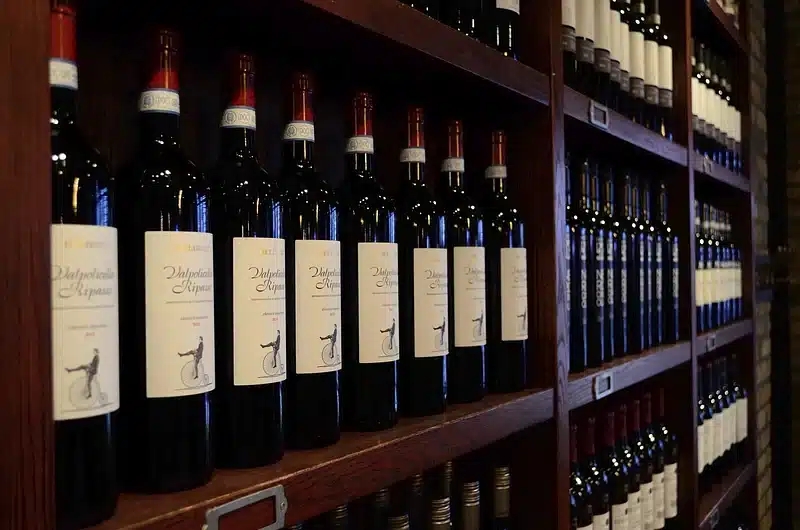
Legally, Italy says you have to be 18 years old to purchase alcohol—doesn’t matter if it’s a six-pack of Peroni at the supermarket or a spritz in Venice. That part’s non-negotiable. But here’s the interesting twist: there’s no nationwide ban on minors consuming alcohol under supervision.
- Buying: 18+, no exceptions.
- Drinking: Teen sips at home? Often fine.
- Enforcement: Focused on sellers, not drinkers—unless someone’s causing a scene.
So you have this split: the letter of the law versus the lived reality. In many smaller towns, grandparents pour junior a thimble-sized glass of vino with Sunday lunch, because that’s how they themselves were raised. It’s… complicated, almost like two parallel systems.
2. Teen Sips: Can You Drink Under 18?
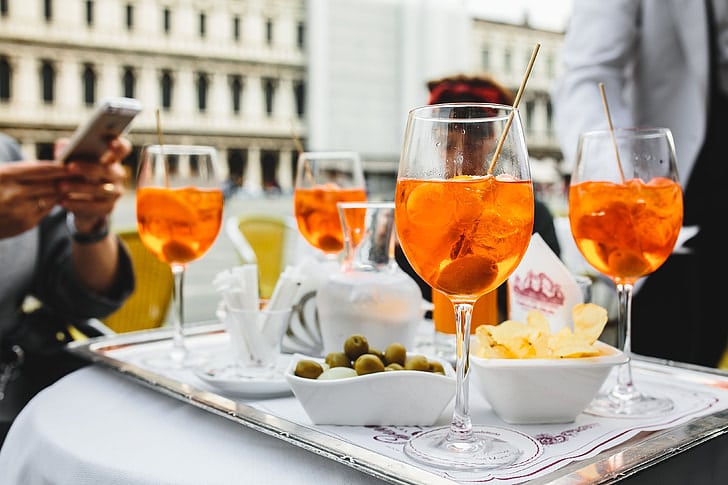
If you’re under eighteen and thinking, “Great—I can join the local rosé revolution,” hold on. You can taste, but you can’t purchase. In reality:
- Family tables: Most Italians don’t bat an eye if you have a sip at dinner. It’s about tradition, not rebellion.
- Restaurants: Outside of big cities, servers know not to fuss over a small sip. They see you as part of the famiglia for a meal.
- Stores & bars: Without ID, you won’t buy your own bottle, but they might pour you from someone else’s order.
Legally, shops that sell to minors face fines—up to several hundred euros. Yet if you stroll into a small alimentari (grocery) and ask, they’ll usually just shrug if you’re obviously with your mom or nonna. It’s one of those “don’t ask, don’t tell” arrangements that sometimes works… until it doesn’t.
3. Tourists vs. Locals: Double Standards in ID Checks
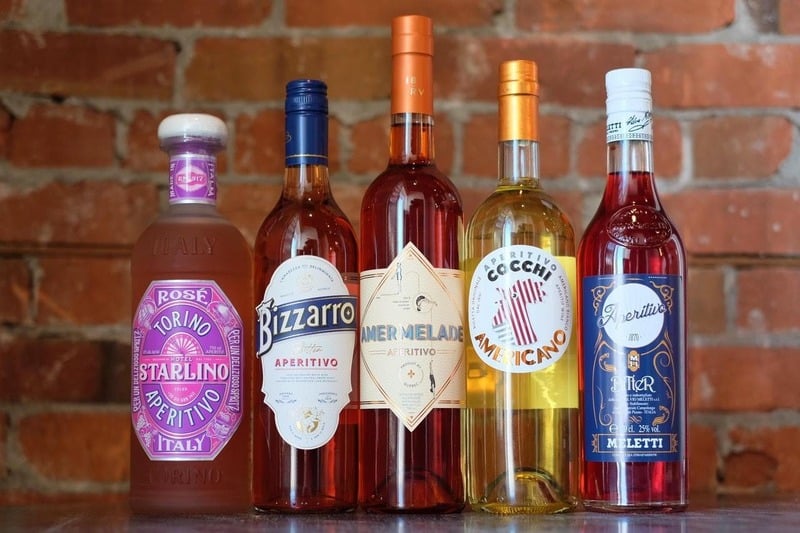
Here’s a slightly annoying truth: if you’re a tourist, you might get carded more often than a local teen. Why? Because you stand out. In a tight-knit neighborhood bar in Naples, the bartender might know the teen in question—and wink—but hassling a visiting teen looks overzealous.
- Tourists: Casual trattorias seldom check IDs—unless you’re in a high-end cocktail lounge.
- Locals: Familiar faces skip the whole routine.
- Nightlife: From 10 PM onward, clubs and upscale spots will swipe your passport with more dedication than airport security.
So, lesson learned: pack a photocopy of your passport (or a digital pic) if you plan to roam around after dark. It makes the bouncer less grumpy.
4. Public Drinking: Piazza Pours and Possible Pitfalls
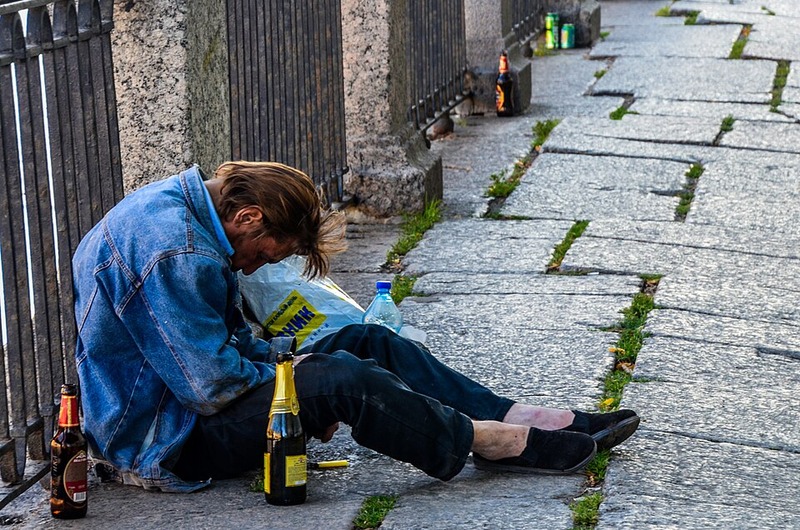
That aperitivo at sunset—drink in hand, piazza views—feels quintessentially Italian. And in most places, it genuinely is okay. But:
No national open-container ban. You can stroll with a glass or plastic cup in hand—until local decrees say otherwise.
City-specific rules. In Venice’s busy San Marco area, for instance, you might be asked to finish your drink and move on after 9 PM. In Florence, some zones close down public drinking by late evening.
Fines: Usually small (think €50–€100) and more about disorder than the drink itself.
In short: relax, but don’t set up a tailgate party on the steps of the Duomo at midnight. That’s when the fun police tend to show up.

5. A Quick Euro Comparison: Why 18 (and Why Not 21?)
Glancing at a map:
USA: 21 for everything, hiking over to Canada to buy beer is almost a rite of passage for college freshmen.
Most EU countries: 18 for spirits, beer, wine. Some let you start beer or wine at 16, but spirits stay 18+.
Why the difference? The U.S. raised its age nationally in the 1980s to curb drunk driving fatalities—then stuck with it. Europe, in general, leans on education and early exposure to foster moderation. You could argue Italians figure it’s better to learn responsible sipping as a teen than rush headlong into a binge on a 21st birthday.
6. What Parents and Young Travelers Should Remember
If you’ve got a teen in the party bus—or you are that teen—here’s some practical advice:
Family meals are golden. Lean into that supervised environment; it’s the safest way to experience Italian vino culture.
Bars and clubs? Best to steer clear if you’re under 18. It can feel… awkward.
Safety first. Teach your teen to keep an eye on their drink—always good advice anywhere, really.
Cultural chat. A five-minute convo about “how we do things here” goes way further than a lecture.
Honestly, most Italians want young visitors to enjoy responsibly—no secret plot to shame you for a harmless sip.

7. Beyond Wine: Aperitivo, Spritz, and More
Sure, wine is king, but Italy’s cocktail culture—especially the aperitivo—deserves a mention. Think of aperitivo as a pre-dinner ritual: you sip a spritz or a bitter liqueur, and nibble on small bites (olives, chips, tiny sandwiches). It’s very social, very “see and be seen,” and yes, sometimes teens join in with soft drinks or diluted versions of aperitivi. Note:
Aperol Spritz: Light, refreshing, often served in a big wine glass.
Campari Soda: Bitter, but iconic—more of an acquired taste.
Mocktail options: Many bars offer non-alcoholic twists, like sparkling herbal infusions, so younger guests still feel included.
A quick heads-up: when you order an aperitivo, you’re committing to stay for at least 30 minutes or so—these places aren’t known for turnarounds. It’s part of the vibe: linger, chat, soak in the scene.
8. Seasonal Celebrations and Harvest Festivals
If you time your trip right—say, late September or early October—you might stumble into a grape harvest festival. In Chianti, Montalcino, and countless smaller villages:
Vendemmia: The grape harvest itself is often a community event; families pass buckets of grapes, stomp in wooden vats, and sample the “must” (fresh grape juice).
Sagre: Local food-and-drink fairs where you can taste early-press wines, sample roasted chestnuts, and enjoy homemade salami.
Teen involvement: It’s common for minors to help in the fields, learn the craft, and yes, taste-test under watchful eyes—another nod to responsible immersion.
These festivals are—without exaggeration—some of the most delightful cultural experiences you’ll have in Italy. Plus, they underscore how intertwined wine and community are here: it’s not just a drink, it’s a way people come together.
9. Debunking Myths: Clearing the Confusion
You’ll hear rumors—let’s bust ’em:
“There is no drinking age in Italy.” Nope. It’s 18 to buy. Simple.
“Teens can buy anything anywhere.” Illegal for shops, and fines are real.
“Police don’t care about teen drinking.” They care if it leads to public nuisance or fights—otherwise, you’re probably fine.
Knowing these truths up front saves you from the “Wait, what?” moment at the bar.

10. Breaking the Rules: What Actually Happens
Slip-ups occur—they’re human—but it helps to know the stakes:
For sellers: Fines from about €500 up to €3,000 if caught repeatedly selling to under-18s.
For drinkers: Rarely formal penalties unless you’re, say, toppled a Vespa or started a brawl.
A real case: In 2019, a Florence wine shop was hit with a €1,500 fine after multiple reports of underage sales—so yes, sometimes authorities follow up on complaints.
Mostly, Italy errs on education over punishment, nudging young people toward mindful enjoyment rather than fear-based abstinence.
11. Embracing Responsible Drinking—Italian Style
To really soak in Italy’s drinking ethos:
Sip, don’t slug. Italians generally don’t do shots at noon.
Match wine to food. A little science goes a long way—pasta with red, seafood with white.
Hydrate. Sparkling water is as much a table staple as the wine.
Pace your day. A two-hour lunch? It’s not a vacation—it’s how they live.
Tipple safely. Keep your wits about you—heat and altitude (hello, Dolomites) can sneak up on you when wine’s involved.
Do this, and you’ll likely remember your Italian trip for the right reasons—not the blurry ones.
Key Takeaways (In Case You Skipped to the Bottom…)
Legal purchase age: 18.
Consumption under supervision: Common and generally tolerated.
ID checks: Spotty—rare in casual settings, common in clubs/upscale bars.
Public drinking: Usually fine, but heed local curfews.
Culture over crackdown: Italy trusts early, guided exposure to foster lifelong moderation.
Conclusion: Salute—with a Small Disclaimer
So, can your soon-to-be 17-year-old sample the family’s Barolo? Probably. Can they buy it themselves? Definitely not. Should they binge-drink in the streets at dawn? Absolutely, positively nope.
Italy’s approach blends legal guardrails with cultural permissiveness, assuming that early, supervised experiences lead to responsible habits. And hey, don’t forget to check if a local sagra is happening—harvest festivals are a perfect window into how Italians truly relate to vino, in seasons, in community, and with lots of laughter.
Your job, as visitor or parent, is simple: respect the rules, pace yourselves, and savor the moments—because here, wine isn’t just a drink, it’s a way of life.
And when in doubt, lift your glass and say “Salute!”—it’s the universal wish for health, happiness, and, yes, a bit of good cheer.