
Best beaches in Aruba and water activities guide
Aruba beaches and water activities
Best beaches in Aruba and water activities guide
Aruba’s beaches are the reason a lot of trips start with “just a few lazy days” and somehow turn into something more. You arrive for the white sand and turquoise water, of course, but then you discover that each stretch of coast has its own pace, its own crowd, and its own perfect time of day. A good Aruba beaches and water activities guide doesn’t just throw names at you – it helps you match the right beach and the right activity to the kind of day you actually want.
This article dives deeper into the shoreline than a short section ever could. We’ll look at the best beaches in Aruba for swimming, snorkeling, families, and watersports, plus the main water activities to consider if you want to do more than float. If you’re still shaping your full itinerary beyond the coast, you can always zoom back out and use your main things to do in Aruba guide as the big-picture map, with this page as the coastline chapter.
Why Aruba’s beaches are different
For a relatively small island, Aruba manages an impressive variety of beaches. On the west and south coasts you get long, calm, sandy stretches that look like they’ve been designed for postcards. On the east and northeast, the sea gets rougher, the coastline more dramatic, and the beaches less swimmable but more cinematic. That range is what makes planning your Aruba beaches and water activities days worth a bit of thought.
Most visitors end up spending time around Palm Beach and Eagle Beach – and for good reason. They tick the easy boxes: soft sand, clear water, plenty of services. But once you understand what each beach is best at, you can start to mix in quieter spots, snorkel coves, and a little adventure so the trip doesn’t blur into “hotel, lounger, repeat.”
best beaches in Aruba for relaxing
Eagle Beach: wide, calm, and classic
Eagle Beach is often described as one of the best beaches in the Caribbean, and it’s hard to argue with the basics: wide stretches of powdery white sand, clear blue water, and enough space that you don’t feel stacked on top of other visitors even in busy seasons. The atmosphere tends to be a touch quieter than Palm Beach – more “long walk and a book” than “nonstop people-watching.”
This is a strong base if your ideal day is simple: swim a little, nap a little, read under a palapa, and maybe shuffle a few meters for sunset. You’ll still have easy access to nearby restaurants and low-rise hotels, just without quite as much high-rise energy in the background.
Palm Beach: lively, convenient, and social
Palm Beach runs along the high-rise hotel strip and has a more energetic feel. Think watersports kiosks, beach bars, music drifting from resort pools, and a general sense that something is always happening. The sand and water are still beautiful – you’re not trading scenery for convenience – but the vibe changes.
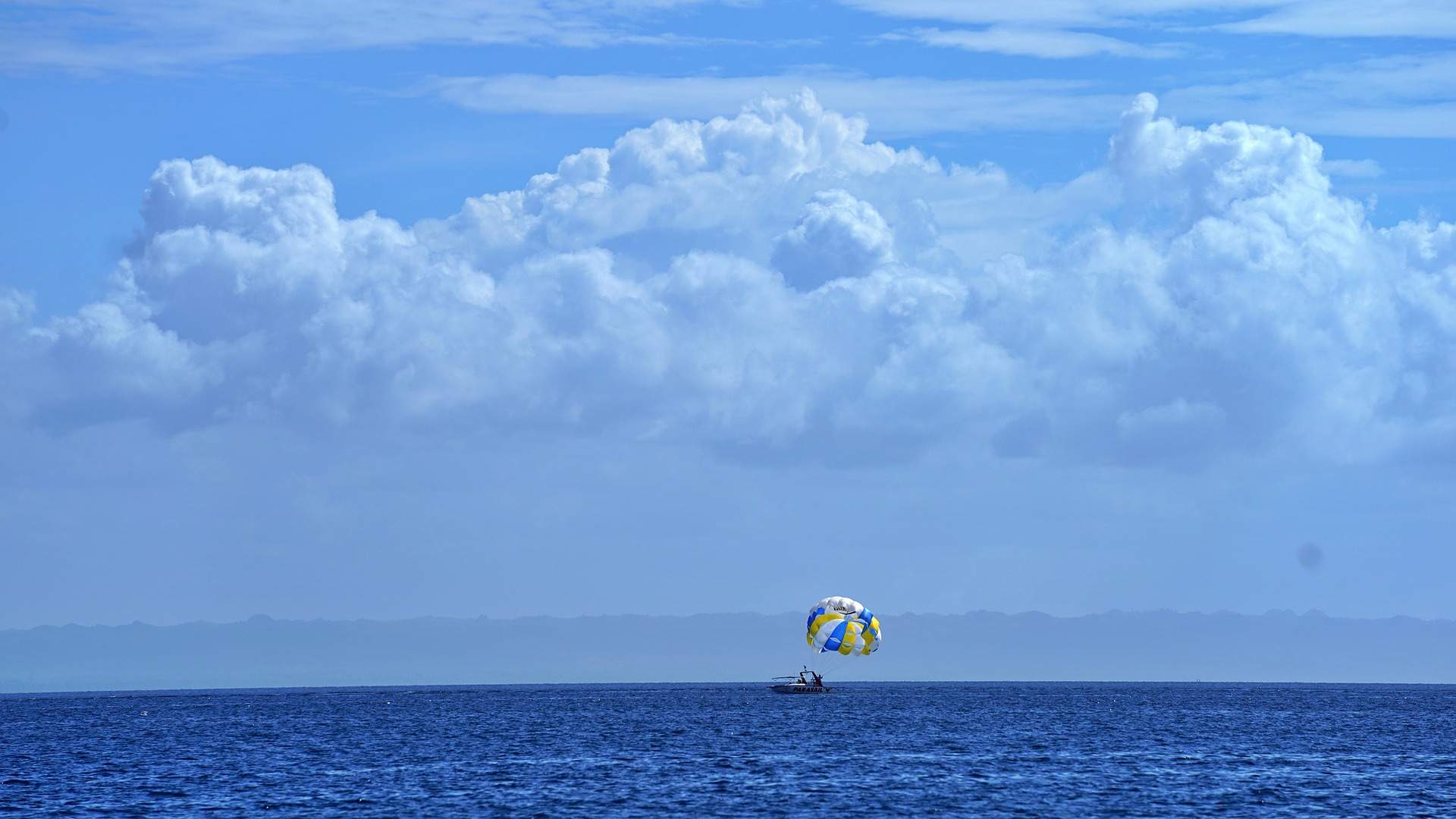
If you like being close to everything and you enjoy a bit of buzz with your beach time, Palm Beach is going to feel like the center of the island. It’s also one of the easiest places to organize spur-of-the-moment water activities, from banana boat rides to parasailing.
Baby Beach: shallow, sheltered, and family-friendly
Baby Beach, near San Nicolas, is a shallow lagoon with calm, sheltered water that’s popular with families and newer snorkelers. The bay forms a natural swimming pool, which makes it less intimidating for kids or anyone who prefers to stay where they can comfortably stand.
Because of the protection from waves, this is a gentle place to float, practice with a mask and snorkel near the edges, or simply sit in the shallows and watch the day go by. It’s more of a destination outing than a quick stop, so allow half a day if you’re coming from the main resort areas.
Aruba beaches for snorkeling and clear water
If your idea of a perfect day involves a mask, snorkel, and the feeling of slipping into clear water right from the shore, planning your Aruba beaches and water activities around a few key snorkeling spots makes sense. The good news: you don’t always need a boat to find fish and coral here.
Malmok Beach and Boca Catalina
Malmok Beach and nearby Boca Catalina, a short drive from the Palm Beach area, are known for their calm, clear water and easy shore access to decent snorkeling. The coastline here is narrower and rockier than the big resort beaches, but that’s part of why marine life tends to be closer in.
Come with basic water shoes or sandals if you have them (the entry can be stony in places), and try to arrive earlier or later in the day for softer light and fewer people. If you’re comfortable swimming out a bit, you can often see schools of fish and, with some luck, the occasional turtle cruising by.
Mangel Halto
Mangel Halto feels different from the open, broad beaches elsewhere on the island. It’s a mangrove-fringed spot with shallow areas near shore and deeper channels a short swim from the edge. Snorkelers come here for a more varied underwater landscape, with coral formations and fish life that reward a little extra effort.
Because currents can be stronger in some sections, it’s wise to stay within your comfort zone, use a flotation vest if you’re not a confident swimmer, and pay attention to local advice about where to enter and how far to go. When conditions are right, it’s one of the more memorable snorkeling locations on the island.
Baby Beach (for gentle snorkeling)
Beyond being good for paddling and floating, parts of Baby Beach can also work for beginner-friendly snorkeling, especially near the edges where fish tend to gather. It’s not as dramatic as deeper reef sites, but it’s a comfortable place to get used to wearing a mask and breathing through a snorkel before tackling more open water.
Aruba water activities beyond swimming
Aruba’s wind and water conditions give you more options than just lying on the sand. If you want your Aruba beaches and water activities days to include a bit of adrenaline – or at least a different perspective – you’ve got choices.
Snorkel tours and boat trips
Even though you can see a lot from shore, boat-based snorkel trips open up more of the coastline and, in many cases, take you to the famous Antilla shipwreck or other offshore spots that are harder to reach on your own. Tours range from relaxed catamaran cruises with a couple of snorkeling stops to more active half-day trips focused on being in the water.
When you’re comparing options, think about what matters most to you: smaller groups versus bigger “party boat” energy, morning versus sunset departures, and how much actual water time versus sailing and socializing you prefer.
Scuba diving
If you’re already certified, Aruba’s wrecks and reefs give you a solid reason to plan a dive day. Conditions are generally warm and clear, and there are multiple operators offering guided dives, refresher sessions, and courses if you’re looking to get certified or upgrade your skills.
As with anywhere, it’s worth checking recent reviews, safety standards, and group sizes before booking. If you’re new to diving, starting with a discover dive experience in calm conditions can be a way to test the waters – literally and figuratively – without committing to a full course.
Windsurfing and kitesurfing
Aruba’s trade winds make it a known spot for windsurfing and kitesurfing, especially on the northwestern side of the island where wind and water combine in that particular way enthusiasts get excited about. If you’re already into these sports, you probably know why this matters. If you’re curious, there are schools that offer beginner lessons and equipment rental.
Be honest about your comfort level and fitness when you’re choosing an activity. Watching kitesurfers from the beach is already pretty fun; you don’t have to be airborne yourself for it to “count” as experiencing the scene.
Kayaking, paddleboarding, and calmer options
For something quieter, renting a kayak or stand-up paddleboard on one of the calmer beaches can be a nice way to change perspective without going full high-adrenaline. Early mornings tend to be gentler, with lighter wind and fewer boat wakes, so that’s a good time to try if you’re a bit nervous.
Paddle close to shore, stay aware of other traffic, and don’t be shy about heading back in if conditions pick up more than you’d like. The point here is a peaceful hour, not a test of endurance.
matching beaches and activities to your travel style
Not every traveler wants the same balance of lounging and activity, and that’s okay. The trick is to build your Aruba beaches and water activities days around what you genuinely enjoy rather than what you think you’re “supposed” to do.
For laid-back beach days
- Base yourself at Eagle Beach or the quieter stretches of Palm Beach.
- Plan one simple water activity, like a short snorkel near shore or an easy paddleboard session.
- Leave the rest of the day open for reading, napping, and wandering to beach bars at your own pace.
For families
- Use Baby Beach for a forgiving, shallow environment where kids (and adults) can gain confidence in the water.
- Add a slow morning or evening on Palm Beach where services and facilities are close by.
- Consider a mellow boat trip that balances time on deck with short, supervised snorkel stops.
For active travelers
- Mix a couple of big-sand days (Eagle or Palm) with targeted snorkeling at Malmok, Boca Catalina, or Mangel Halto.
- Add one structured water day: a dive, a kitesurfing lesson, or a multi-stop snorkel tour.
- Give yourself at least one “buffer” afternoon with nothing scheduled in case you’re more tired than you expect.
For couples and slower trips
- Lean into quieter corners of popular beaches – early mornings at Eagle Beach can feel almost private in shoulder seasons.
- Pick one signature experience (a sunset sail, a private snorkel tour, or a low-key paddle session) rather than packing the schedule.
- Use the rest of your time exploring cafés, dinners, and non-beach highlights from your main things to do in Aruba list so the trip doesn’t feel one-note.
practical tips for Aruba beaches and water activities
A little preparation keeps your beach and water days fun, rather than exhausting. None of this is complicated, but it’s easy to forget in the “I’m finally on holiday” rush.
Sun, wind, and staying comfortable
- Sun protection: The combination of sun, water reflection, and wind makes sunburn surprisingly easy. Reef-safe sunscreen, a hat, and a rash guard or light long-sleeve top are worth packing.
- Hydration: It’s easy to underestimate how much water you’re losing when you’re in and out of the sea. Keep a bottle with you, especially if you’re doing active water sports.
- Wind: Aruba’s breeze feels amazing, but it can also make the sun feel less intense than it really is. Don’t let that fool you into skipping reapplications of sunscreen.
Gear choices
- If you’re planning to snorkel more than once or twice, bringing your own well-fitting mask can make a bigger difference than people expect.
- Basic water shoes can make rocky entries at places like Malmok or Mangel Halto more comfortable.
- For longer swims or snorkel sessions, a simple inflatable snorkel vest adds a layer of comfort and safety without making you feel restricted.
Respecting the sea and local guidelines
Conditions can change quickly, even on an island known for calm water. Pay attention to posted signs, local advice, and your own internal gauge of comfort. If an area looks rougher than you expected, it’s okay to pivot – Aruba is not short on alternative beaches for that day’s plan.
The same goes for marine life and coral: admire, don’t touch. Fins and hands can do more damage than people realize, and part of keeping Aruba’s underwater world healthy is treating it as something you’re visiting, not something you’re entitled to rearrange.
fitting beaches into your overall Aruba itinerary
It’s tempting to spend your entire time rotating between a lounger and the sea, and you absolutely can. But Aruba tends to be more satisfying when you mix coast days with a few inland or cultural experiences – whether that’s exploring Arikok National Park, wandering Oranjestad, or trying local food away from the main strips.
One simple framework is to alternate: one day built around Aruba beaches and water activities, the next day anchored by something from your broader things to do in Aruba list, and so on. It keeps you from getting sun-fatigued and gives the trip a natural rhythm.
conclusion
The best beaches in Aruba aren’t just interchangeable stretches of sand; each one gives you a slightly different version of the island. Some days you might want the buzz of Palm Beach, other days the breadth of Eagle Beach, the shallows of Baby Beach, or the clear snorkeling water of Malmok and Mangel Halto.
Use this Aruba beaches and water activities guide as a way to match those places to your own pace, not as a checklist you have to complete. If you come home with a handful of days that felt exactly right for you – whether that meant kitesurfing, quiet swims, or something in between – you’re doing Aruba right.