
Best Time to Visit Maldives for Diving, Honeymoons and Family Holidays
No matter how many times you’ve seen those turquoise-water photos, the Maldives is always more than just a pretty postcard—and when you visit can make all the difference. The archipelago enjoys warm, tropical weather year-round, but timing your trip right ensures you get the experiences you really want: pristine visibility for scuba and snorkel adventures, endless sunny days for honeymoon romance, or calm, kid-friendly lagoons for family fun.
Whether you’re chasing mantas beneath the waves, planning the ultimate overwater-villa getaway, or keeping the little ones entertained, understanding the Maldives’ seasonal rhythms will help you pick the perfect window. Let’s dive into the “best time” for your priorities.
Understanding Maldives’ Weather and Seasons
At its simplest, Maldives weather falls into two seasons shaped by monsoon patterns:
- Dry Season (November–April): Bright, sunny days and calm seas dominate. Expect very little rain, lower humidity, and daily highs around 86–88°F. It’s peak travel season, so resorts fill up fast—and so do prices.
- Wet Season (May–October): Short, sharp showers and higher humidity arrive as the southwest monsoon kicks in. Don’t let the “wet” label scare you—rains tend to be brief, followed by dramatic skies and lush island landscapes. Surf swells pick up, and hotel rates drop by 30–50%.
Monsoon shifts happen around late April and late October. During the northeast monsoon, conditions stabilize: flat seas, clear skies, and brilliant underwater visibility. When the southwest monsoon rolls in, expect more plankton in the water—this feeds those bucket-list wildlife encounters but can reduce visibility.
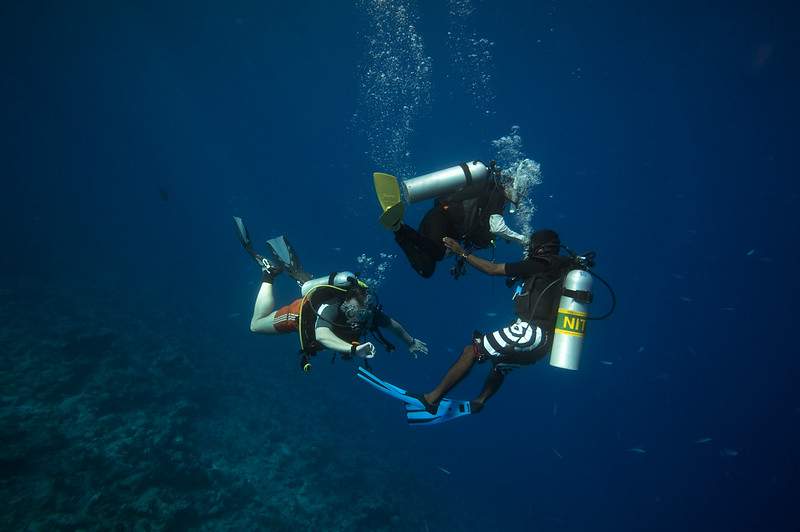
Best Time to Visit Maldives for Diving and Snorkelling
If underwater adventures top your must-do list, aim for the peak visibility window of January through April. During these months, sea clarity often reaches 100–130 feet, making reef dives and snorkel sessions a photographer’s dream. Calm seas mean easy boat rides to popular dive sites, and house reef conditions are near perfect.
For marine life highlights, keep the following in mind:
- Whale Sharks in South Ari Atoll: Year-round, but peak encounters run August through November.
- Manta Rays at Hanifaru Bay (Baa Atoll): Feeding aggregations typically June through October.
Plan around those windows and you’ll maximize your chances of swimming alongside these gentle giants. For detailed site recommendations, check out our Maldives scuba diving hotspots.
Best Time for Honeymooners in the Maldives
Honeymooners usually seek blue skies, romantic sunsets, and days that drift lazily from overwater villa to private sandbank picnic. That makes the dry season (December–March) the no-brainer choice—though you’ll pay premium prices and book far in advance.
If you’re budget-minded (or just love shoulder-season bargains), April–May and September–October offer a sweet spot:
- Fewer crowds.
- Weather is still mostly dry for days at the beach.
- Resort rates drop 20–40% compared to peak season.
You might catch an afternoon shower—perhaps even a double rainbow—but think of it as a romantic, cinematic moment rather than ruined weather. For curated romantic escapes, see our Maldives honeymoon guide.
Best Time to Travel with Family
Planning around school breaks? The busiest windows are December–January and June–July. These align with dry-season vibes, ensuring calm lagoons and stable house reefs safe for children learning to snorkel. Resorts run full kids’ clubs, special children’s menus, and family-friendly water parks during holidays.
If possible, aim for March–April, just before summer vacation peaks. Kids enjoy sunny days, resorts still operate full programs, and pricing can be slightly lower than December upticks. For resorts tailored to families, explore our family holidays in Maldives tips.
Month-by-Month Maldives Travel Guide
- January: Peak dry season—perfect diving and romance; highest rates.
- February: Driest month, ideal for photographers; book 6–12 months ahead.
- March: Still dry; slightly cooler crowds; great for families.
- April: Transition month; brief showers possible; better deals.
- May: Green season begins; surf and wildlife pick up; off-peak savings.
- June–August: Wettest months; deep discounts; peak manta and whale shark activity.
- September–October: Weather improving; best wildlife encounters; shoulder-season rates.
- November: Dry returns; moderate pricing; balanced conditions.
- December: Festive peak; guaranteed sunshine; plan 9–12 months ahead.
Tips for Choosing the Right Time for Your Trip
Balance Weather vs Budget: If weather reliability is non-negotiable, stick to December–March. If you’re flexible, green-season bargains can be irresistible.
Book Early for Peak Months: Resorts and seaplanes fill up fast—reserve 9–12 months ahead, especially for overwater villas.
Flexibility Pays: Mid-week arrivals and last-minute deals in April and October can net significant savings without sacrificing too much sun.
Conclusion
There is no single “best” time to visit the Maldives—only the best time for your personal priorities. Divers should aim for January–April visibility; honeymooners may prefer December–March sunshine or a quieter shoulder-season romance; families will find calm, kid-friendly conditions in March–April or around school breaks.
Once you settle on dates, deep-dive into logistics, resorts, guesthouses and island-hopping strategies in our ultimate Maldives travel guide for a seamless, unforgettable trip.