
Maui Snorkeling Guide: Where to See Turtles and Coral in South Maui
I’ve been snorkeling in South Maui probably two dozen times now over multiple trips, and it never gets old. But I’ve also learned a lot about which spots are actually worth your time, when to go, what equipment you need, and how to have the best possible experience without damaging the reef or stressing out the marine life.
This guide is going to walk you through everything I wish someone had told me before my first snorkeling trip in Maui. Where to go, what to expect, how to stay safe, and maybe most importantly, how to actually see turtles because I know that’s what most people really want.
Why South Maui for Snorkeling?
South Maui—specifically the Kihei and Wailea area—is probably the most consistently good snorkeling on the island for a few reasons. First, it’s on the leeward side of Haleakala, which means it’s protected from the prevailing trade winds. This creates calmer water conditions than you’ll find on the windward side.
Second, the reef systems here are extensive and relatively healthy. There are multiple protected marine areas where fish populations thrive. Third, green sea turtles are abundant in South Maui. These turtles come to the reefs to feed on algae and often rest in the same spots, which means if you know where to look, your chances of seeing them are really good.
And perhaps most importantly for visitors, South Maui snorkeling spots are accessible. You don’t need a boat to reach most of them. You can literally park your car, walk across the sand, and be snorkeling in five minutes. That convenience factor is huge when you’re on vacation.
The water clarity in South Maui is generally excellent, especially in the morning before wind and boat traffic stir things up. I’ve had visibility of 60-80 feet on good days, which is just incredible for shore snorkeling.
Best Times to Snorkel in South Maui
Timing really matters with snorkeling in South Maui. Get this right and you’ll have an amazing experience. Get it wrong and you might wonder what all the fuss is about.
Time of Day
Early morning is hands down the best time to snorkel. I’m talking 7-9 AM. Here’s why: the water is calmest before the afternoon trade winds pick up, visibility is at its peak, there are fewer people in the water, and honestly, the fish seem more active in the morning.
By 11 AM or noon, wind usually starts creating chop on the water surface, which reduces visibility and makes snorkeling less pleasant. I’ve been out in the afternoon at spots that were crystal clear in the morning, and the difference is dramatic. You’re fighting waves, you can’t see as well, and it’s just not as enjoyable.
Sunset snorkeling can be beautiful—the light underwater gets this golden quality—but visibility decreases as the day goes on. Save it for a special occasion, but don’t make it your primary snorkel time.
Time of Year
April through October is the dry season in Maui, and this is when you’ll have the best snorkeling conditions. The water is calmest, clearest, and warmest during these months. Summer is particularly excellent, with water temperatures around 78-80°F and minimal rainfall.
Winter months (November through March) can still offer good snorkeling, but you’re more likely to encounter rougher water conditions, especially on days with north or northwest swells. That said, winter is whale watching season, and you might hear humpback whale songs underwater, which is absolutely surreal. I’ve been snorkeling and heard whales singing, and it’s one of the coolest experiences I’ve had in Hawaii.
After heavy rains, avoid snorkeling for at least a day or two. Runoff creates murky water and can wash pollutants into the ocean. Brown water is a clear signal to skip snorkeling that day.
Top South Maui Snorkeling Spots
Molokini Crater
Molokini Crater is probably the most famous snorkeling spot in Maui, and honestly, it lives up to the hype. This crescent-shaped volcanic crater sits about three miles offshore and is only accessible by boat. The crater’s partially submerged walls create a protected bay with visibility that can exceed 150 feet on calm days.

Best for: Experienced snorkelers, seeing huge variety of fish species, incredible visibility
How to access: Boat tours only (depart from Maalaea Harbor or Kihei Boat Ramp)
Cost: Tours range from $80-150 per person
I’ve done the Molokini trip twice now, and both times were incredible. The sheer number and variety of fish is something you just don’t get at shore snorkeling spots. Parrotfish, triggerfish, Moorish idols, butterflyfish, tangs—there are just clouds of fish everywhere. The coral formations on the crater wall are impressive too.
Most tours go early in the morning, which is the right call. By afternoon, wind makes the channel crossing rougher. Tours typically include breakfast, lunch, snorkel gear, and sometimes a second snorkel site like Turtle Town. If you can only splurge on one snorkel tour during your trip, this is the one I’d recommend.
Fair warning: if you’re prone to seasickness, the boat ride can be rough. Take Dramamine the night before and the morning of if you have any concerns. The last thing you want is to be sick during this experience.
Turtle Town (Maluaka Beach)
Turtle Town isn’t actually a town—it’s a collection of reef areas in the Makena area where green sea turtles congregate to feed and rest. The most accessible spot is Maluaka Beach, which is fantastic for shore snorkeling.
Best for: Guaranteed turtle sightings, families, easy beach entry
How to access: Shore snorkeling from Maluaka Beach
Parking: Small lot at Maluaka Beach (fills up early)
Facilities: Portable toilets, outdoor shower
I have seen turtles at Maluaka Beach every single time I’ve snorkeled there. Not just one turtle—multiple turtles. They feed on the algae growing on the rocks and coral, and they’re pretty unbothered by snorkelers as long as you keep your distance.
The reef here extends from both the north and south points of the beach. I’ve had the best luck on the north side, swimming out toward the rocky point. The water is typically calm, entry is easy from the sandy beach, and you don’t have to swim far to find turtles. Sometimes they’re in as little as 8-10 feet of water.
Get there by 8 AM if possible. The parking lot is small, and this is a popular spot. By 10 AM on weekends, you’ll be circling for parking. Also, mornings offer the best visibility before wind picks up.
Remember: maintain at least 10 feet of distance from turtles. Don’t chase them, don’t try to touch them, don’t block their path. Just float quietly and observe. If you’re patient and respectful, they’ll often swim quite close to you on their own.
Makena Landing
Just north of Turtle Town, Makena Landing is another excellent shore snorkeling spot. It’s a small bay with rocky lava formations on both sides creating habitat for lots of marine life.
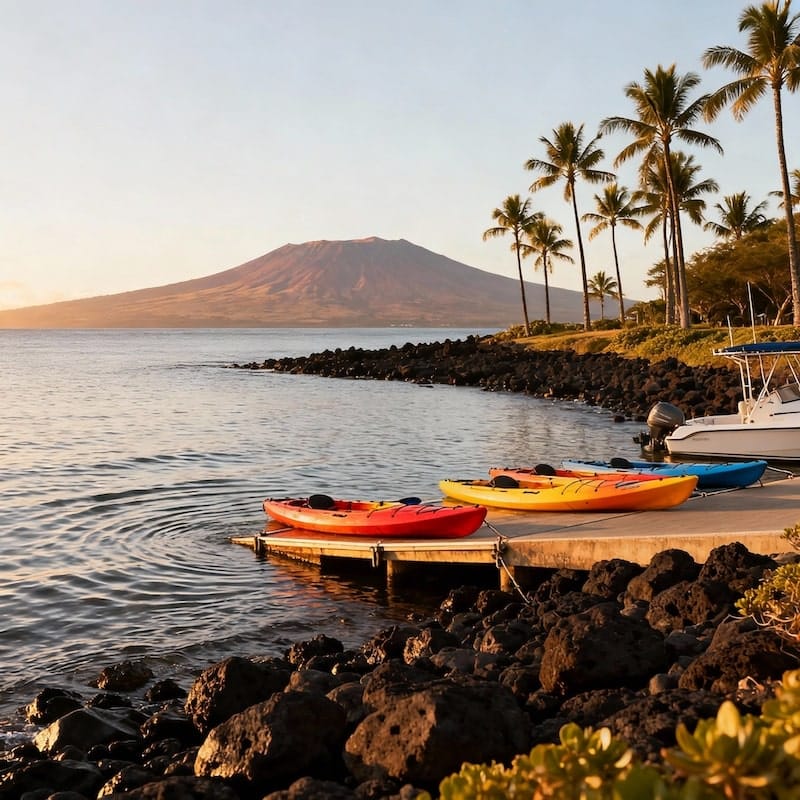
Best for: Turtle sightings, variety of fish, rocky reef exploration
How to access: Shore snorkeling, entry from boat ramp or rocks
Parking: Small lot at Makena Landing
Facilities: Portable toilet
This is a popular launch spot for kayak tours, so you’ll see lots of kayakers here. But the snorkeling is excellent, especially along the rocky areas on either side of the landing. The left side (north) is usually better in my experience.
Water entry is from a boat ramp or rocks, not a sandy beach, so you need to be a bit more careful. Wear water shoes or reef booties because the bottom is rocky. But once you’re in, the snorkeling is really good. I’ve seen turtles, octopus, eels, and tons of reef fish here.
The water is usually very calm since the bay is protected, making this a good choice for less experienced snorkelers. Just watch out for boat traffic coming in and out of the ramp.
Ulua Beach and Mokapu Beach
These two beaches are right next to each other in Wailea, separated by a rocky point that creates excellent snorkeling habitat. They share a parking lot and are easily accessible.
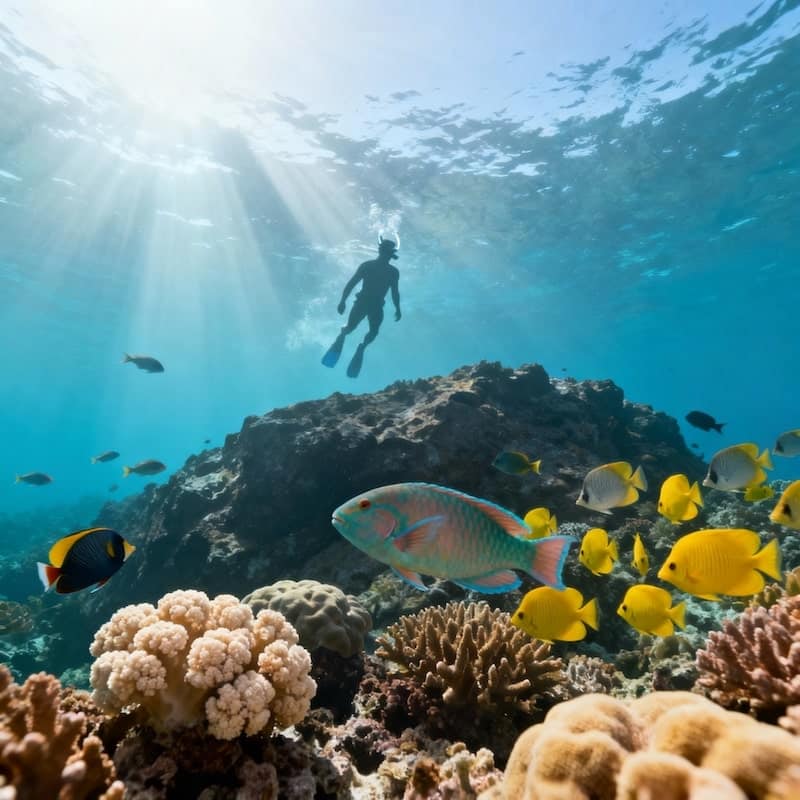
Best for: Convenient location, good facilities, diverse marine life
How to access: Shore snorkeling from either beach
Parking: Shared lot between the two beaches (can fill up)
Facilities: Restrooms, showers, decent amount of shade
The rocky point between Ulua and Mokapu is the money spot. Swim out to it from either beach and explore along the rocks. This area has great coral formations, lots of fish, and frequent turtle sightings. I’ve also seen octopus and moray eels here.
Mokapu tends to be slightly calmer for swimming, while Ulua gets small waves that make it popular with bodyboarders. For snorkeling, I usually enter from Mokapu and swim toward the point.
These beaches are backed by resort properties, so they can get crowded with resort guests, especially in the late morning. Early arrival is key. The snorkeling is good enough that it’s worth dealing with the people though.
Water clarity here is generally excellent, among the best shore snorkeling spots in South Maui. On a calm morning, you can see 50-60 feet easily.
Wailea Beach
Right next to the Four Seasons and Grand Wailea resorts, Wailea Beach offers good snorkeling at its southern rocky point. The beach itself is beautiful—soft sand, calm water, definitely resort-quality.
Best for: Combining beach time with snorkeling, nice facilities
How to access: Shore snorkeling from the beach
Parking: Public lot at north end (limited spaces)
Facilities: Restrooms, showers
The snorkeling at Wailea Beach isn’t quite as good as Ulua/Mokapu in my opinion, but it’s still solid. Swim toward the rocky point at the south end of the beach where you’ll find coral and reef fish. I’ve seen turtles here occasionally, though not as reliably as at Turtle Town.
This is a good choice if you want a more relaxed beach day with some snorkeling mixed in, rather than a dedicated snorkel mission. The beach itself is lovely for lounging, and there’s more shade than at some other spots.
Keawakapu Beach
The northernmost Wailea beach, Keawakapu is one of my favorite beaches in South Maui period. It’s less crowded than the resort beaches, and the snorkeling at the north end is quite good.
Best for: Avoiding crowds, combining swimming and snorkeling, scenic beach
How to access: Shore snorkeling from the beach
Parking: Small gravel lot (fills early)
Facilities: Outdoor showers, portable toilets at north end
Swim out toward the rocky area at the north end of the beach. The reef here has good coral formations and plenty of fish. I’ve seen turtles regularly, especially in the morning. The water is typically very clear.
What I love about Keawakapu is that it’s quieter than the Kamaole beaches in Kihei but still has decent snorkeling. It feels more secluded and relaxed. If you want to spend a whole morning here—swimming, snorkeling, sunbathing—it’s perfect for that.
The middle section of the beach is sandy bottom and better for swimming than snorkeling. Head to either end for the reef areas.
Kamaole Beach Parks (Kam I, II, III)
The three Kamaole beaches in Kihei all offer snorkeling opportunities, though they’re primarily swimming beaches. The rocky areas at the ends of each beach are where you’ll find marine life.
Best for: Convenient location, lifeguards, combining beach activities
How to access: Shore snorkeling from any of the three beaches
Parking: Kam I and III have lots; Kam II is street parking
Facilities: Full facilities including restrooms, showers, lifeguards
Kam II and III have better snorkeling than Kam I in my experience. At Kam II, there’s a nice rocky area between it and Kam III that’s worth exploring. At Kam III, the south end near the rocky point has the best snorkeling.
Don’t expect Molokini-level snorkeling at the Kamaole beaches, but you’ll see plenty of fish and occasional turtles. The advantage here is the convenience and facilities. If you’re staying in Kihei and want to try snorkeling without making it a big production, the Kam beaches are a good introduction.
For more details on all the Kihei beaches including which are best for different activities, check out our complete Kihei beaches guide.
Charley Young Beach
Tucked between Kalama Park and Kamaole I, Charley Young is a smaller beach that offers surprisingly good snorkeling for how accessible it is.
Best for: Avoiding crowds at the Kamaole parks, decent reef fish diversity
How to access: Shore snorkeling from the beach
Parking: Small lot (about 15-20 spaces)
Facilities: Portable toilet, outdoor shower
The snorkeling is best at the rocky areas, particularly the north end. I’ve seen turtles here multiple times, especially in the early morning. The reef isn’t as extensive as Turtle Town or Ulua, but for a convenient Kihei spot, it’s quite good.
The parking lot is tiny and fills up fast. Get there by 8-9 AM or you’ll be out of luck. Alternatively, park at Kam I and walk north along the beach.
Five Caves (Five Graves)
This is an advanced snorkeling and diving site south of Makena Landing. It’s called Five Caves or sometimes Five Graves (there’s a small cemetery near the access path). The snorkeling here is exceptional—probably the best shore snorkeling in South Maui—but it’s not for beginners.
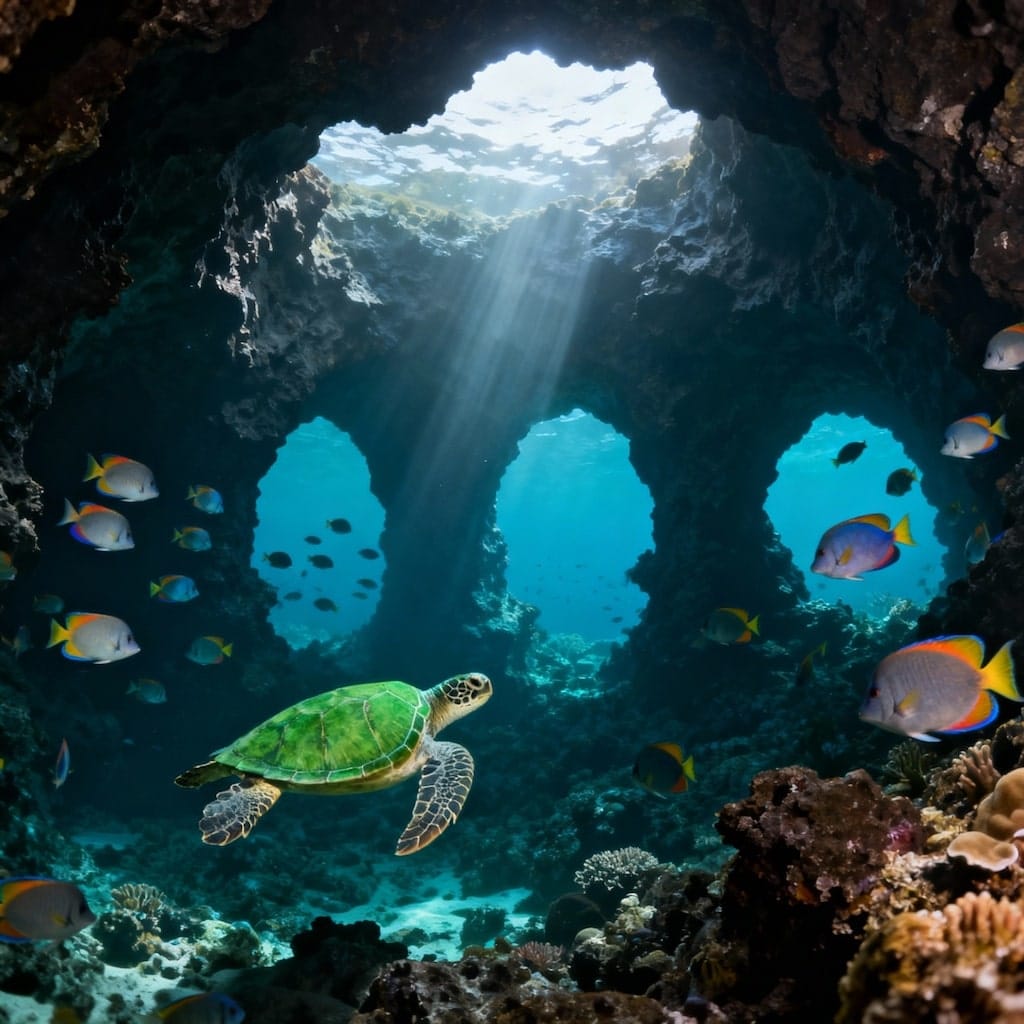
Best for: Advanced snorkelers, incredible marine life diversity, underwater caves
How to access: Rocky shore entry (challenging)
Parking: Limited roadside parking
Facilities: None
I’m including this spot because it’s incredible, but I want to be clear: this is for confident, experienced ocean snorkelers only. Entry and exit are over sharp lava rocks, there can be surge and current, and you need to swim a fair distance to reach the best areas. There are no lifeguards and no facilities.
That said, if you have the skills, Five Caves is amazing. The underwater topography is dramatic with lava formations, caverns, and drop-offs. The marine life is abundant and diverse—I’ve seen turtles, huge schools of fish, eels, and octopus here. The coral is healthier than at more heavily visited spots.
Go early in the morning when conditions are calmest. Check surf conditions before going. If there’s any significant swell, skip it—the entry becomes dangerous. And obviously never go alone here.
What Marine Life You’ll See
Green Sea Turtles (Honu)
These are the stars of the show for most snorkelers. Green sea turtles are abundant in South Maui, and at spots like Turtle Town, you’re pretty much guaranteed to see them. They feed on algae growing on rocks and coral, and they’ll often let you observe them from a respectful distance.
Turtles can stay underwater for hours, but they need to surface to breathe every 30-60 minutes. If you see a turtle heading toward the surface, give it space—they need to breathe.
Remember: 10 feet minimum distance. Don’t chase them, don’t try to touch them, and definitely don’t ride them (yes, I’ve seen idiots try this). These are endangered animals protected by federal law. Harassment can result in serious fines.
For more information about safely observing turtles and other ocean safety tips, see our complete Maui beach safety guide.
Tropical Reef Fish
You’ll see dozens of species of tropical fish on any decent snorkel. Some of the most common and recognizable include:
- Yellow Tang: Bright yellow fish that often swim in schools
- Parrotfish: Large fish with beak-like mouths that crunch coral
- Triggerfish: Various species including the Hawaii state fish (humuhumunukunukuapua’a)
- Butterflyfish: Multiple species with distinctive patterns and colors
- Moorish Idol: Black, white and yellow fish with elongated dorsal fin
- Surgeonfish: Blue and purple fish, usually in schools
- Damselfish: Small, territorial fish often near coral
Part of the fun is learning to identify different species. I usually bring an underwater fish identification card with me and try to spot as many species as I can.
Moray Eels
These live in crevices in the reef and are completely harmless unless you stick your hand in their home. They look scary with their mouths always opening and closing, but that’s just how they breathe. Give them space and don’t reach into dark holes in the reef, and you’ll be fine.
Octopus
Hawaiian day octopus are amazing to see, but they’re masters of camouflage so you need to look carefully. They often hide in rocky areas during the day. If you do spot one, watch how it changes colors and textures—it’s incredible.
Manta Rays and Spotted Eagle Rays
These are less common but absolutely magical when you see them. Spotted eagle rays sometimes cruise along the bottom in sandy areas. Manta rays occasionally visit certain reef areas. Both are completely harmless and will usually just glide right past you.
Whales (Winter Only)
From December through April, humpback whales migrate to Hawaiian waters to mate and give birth. While you probably won’t see them while snorkeling (they don’t hang out in shallow reef areas), you can absolutely hear them. Whale songs carry for miles underwater, and hearing them while you’re snorkeling is surreal and unforgettable.
Snorkeling Equipment Guide
What You Need
At minimum, you need a mask, snorkel, and fins. You can rent these from numerous shops in Kihei and Wailea for $5-15 per day per set. Boss Frog’s and Snorkel Bob’s are the big chains with multiple locations.
If you snorkel frequently or are going to snorkel multiple times during your trip, I honestly think it’s worth buying your own gear. You can get a decent set online for $50-100, and then you have equipment that you know fits properly and is comfortable. Plus you avoid the weird feeling of using a snorkel that’s been in hundreds of other people’s mouths.
Choosing a Mask
Fit is everything with a mask. It needs to seal against your face completely. Here’s how to test: press the mask against your face without using the strap and breathe in through your nose. The mask should stick to your face through suction. If it falls off, the fit isn’t right.
Full-face snorkel masks have become popular, but I personally don’t use them. They’ve been associated with some safety incidents, and I just prefer the traditional setup where you can easily ditch the snorkel if needed.
Fins
Fins make swimming so much easier and help you move through the water efficiently. I prefer adjustable strap fins that I can wear with water shoes or reef booties. Full-foot fins are more streamlined but don’t offer any foot protection.
Optional but Recommended
- Rash guard or wetsuit: Protects from sun and provides some warmth and buoyancy
- Reef-safe sunscreen: Required by law in Hawaii
- Snorkel vest: Provides flotation so you can rest without effort, also makes you more visible
- Underwater camera: GoPro or similar for photos and videos
- Anti-fog solution: For your mask—absolutely worth having
- Reef-safe defogger: Baby shampoo works or buy dedicated defog
Defog Your Mask
Nothing ruins snorkeling faster than a fogged-up mask. Here’s what I do: spit in your mask, rub it around the inside of the lens, then rinse with a small amount of water. This actually works better than any commercial product I’ve tried. If that grosses you out, baby shampoo or commercial defog solution work too.
Snorkeling Safety Tips
I covered this more extensively in my beach safety guide, but here are the key points specific to snorkeling:
- Never snorkel alone—always use the buddy system
- Test your gear in shallow water before heading out
- Know your limits and don’t push beyond them
- Watch for boats if snorkeling in areas with boat traffic
- Don’t touch the coral or any marine life
- If you get tired, float on your back and rest
- Be aware of currents and your position relative to shore
- Don’t hyperventilate before diving down
- Surface if you feel any discomfort or panic
- Wear a brightly colored rash guard or snorkel vest for visibility
If you’re not a confident swimmer, stick to shallow areas where you can stand up if needed, or consider wearing a snorkel vest for extra flotation. There’s no shame in using flotation devices—I use a vest sometimes when I’m snorkeling in areas with current or when I want to be able to float and observe without any effort.
Snorkeling Etiquette and Reef Protection
Hawaii’s coral reefs are fragile ecosystems that face threats from climate change, pollution, and physical damage. As snorkelers, we need to minimize our impact.
Don’t Touch Anything
Coral looks like rock but it’s actually made up of thousands of tiny living animals. Touching coral damages it and can kill polyps. Even lightly brushing against coral with your fin can cause damage. Maintain awareness of your body position and fin movements at all times.
Same goes for fish, turtles, and other marine life. Look but don’t touch.
Use Reef-Safe Sunscreen
Traditional sunscreen contains chemicals that damage coral reefs. Hawaii banned the sale of sunscreens containing oxybenzone and octinoxate. Use mineral-based sunscreens with zinc oxide or titanium dioxide, or wear a rash guard for sun protection.
Don’t Feed the Fish
Feeding fish disrupts their natural behavior, makes them dependent on humans, and can make them aggressive. Just don’t do it.
Don’t Stand on Coral
If you need to rest or adjust your gear, swim to a sandy area or float on your back. Never stand on coral or rock formations that might have coral growing on them.
Take Only Photos
Don’t collect shells, coral, rocks, or anything else from the reef or beach. It’s illegal in many areas, and it removes habitat and food sources for marine life.
Snorkel Tours vs. Shore Snorkeling
You can access excellent snorkeling from shore at multiple South Maui beaches, but there are also advantages to booking a tour.
Advantages of Shore Snorkeling
- Free or very low cost (just equipment rental)
- Go on your own schedule
- No boat ride (good if you get seasick)
- Can snorkel for as long as you want
- Easy to access from Kihei beaches
Advantages of Snorkel Tours
- Access to Molokini and other offshore sites
- Equipment provided
- Guides can point out marine life you might miss
- Usually includes food
- Can be more comfortable with group support
My recommendation: do at least one boat tour to Molokini because it really is spectacular, then do shore snorkeling at places like Turtle Town and Ulua Beach for a more budget-friendly option. This gives you the best of both worlds.
My Personal Snorkeling Routine
When I plan a snorkel day in South Maui, here’s typically what I do:
I wake up early—like 6:30 or 7 AM—and head to whichever beach I’m targeting. I want to arrive by 7:30 or 8 AM latest. I park, set up my stuff on the beach, and apply sunscreen. Then I spend about five minutes just watching the water, looking for any obvious hazards or current patterns.
I test my gear in shallow water first, making sure my mask doesn’t leak and my fins are comfortable. Once I’m confident everything’s working, I head out toward the reef area, swimming slowly and deliberately. I’m not racing to get anywhere—the whole point is to enjoy the experience.
I usually snorkel for 45-60 minutes. If I see turtles early, I’ll spend time observing them (from a distance), then continue exploring. I make mental notes of what I’ve seen so I can look up species later.
When I start feeling tired or cold, I head back. I don’t push it. There’s always another day to snorkel. After getting out, I rinse my gear in fresh water if there’s a shower available, dry off, reapply sunscreen, and usually spend another hour or two just enjoying the beach.
Then I’m usually ready for breakfast, which is a perfect time to hit up one of the great Kihei restaurants for a post-snorkel meal.
Common Snorkeling Mistakes
I’ve made most of these mistakes myself at some point, so I’m sharing them so you can avoid them:
- Going in the afternoon: Wind and choppy water make afternoon snorkeling much less enjoyable. Go in the morning.
- Not testing equipment first: Find out your mask leaks in two feet of water, not 20 feet over a reef.
- Chasing turtles: This stresses them out and is illegal. Be patient and let them come to you.
- Wearing regular sunscreen: It’s illegal and damages reefs. Use reef-safe only.
- Going alone: Always snorkel with a buddy for safety.
- Not bringing enough water: Dehydration sneaks up on you in Hawaii sun.
- Touching coral for stability: Damages the reef and can cut you.
- Hyperventilating before diving down: Can cause shallow water blackout.
- Ignoring fatigue: Rest or get out if you’re tired. Don’t push it.
- Not watching where you kick: Fin kicks can damage coral behind you.
After Your Snorkel
After snorkeling, rinse your equipment in fresh water if possible. Salt water corrodes metal parts and can damage silicone over time. Let everything dry completely before packing it away.
Check yourself for any cuts or scrapes. Even small coral cuts can become infected in the tropical environment, so clean any wounds with soap and water and apply antibiotic ointment.
Drink plenty of water to rehydrate. You lose more fluids than you realize while snorkeling.
And then? Enjoy the rest of your day. Maybe drive to Lipoa Street Beach for sunset later, or explore more of what South Maui has to offer.
Final Thoughts on Maui Snorkeling
Snorkeling in South Maui is genuinely one of the best experiences you can have on the island. There’s something magical about floating weightlessly above a coral reef, watching sea turtles glide past, surrounded by tropical fish in every color imaginable. It’s peaceful, it’s exhilarating, and it’s accessible to almost anyone who can swim.
The key is picking the right spots, going at the right times, using proper equipment, and snorkeling safely and responsibly. Do those things and you’ll have incredible experiences that you’ll remember for years.
Start with the easier spots like Turtle Town or Ulua Beach to build confidence, then maybe work your way up to more challenging locations like Five Caves if you have the skills. Or book a Molokini tour for a truly world-class experience.
Just remember to respect the ocean, respect the marine life, and protect the reefs for future generations. If we all do our part, these incredible snorkeling spots will remain healthy and vibrant for years to come.
Now get out there and explore. The underwater world of Maui is waiting.