

Things to Do in the Maldives: Sandbanks, Dolphin Cruises, Culture & More
The Maldives is far more than resort pools and spa treatments—though those certainly have their place. Beyond your villa door lies a world of sandbank picnics on uninhabited islands, sunset dolphin cruises through spinner dolphin pods, bioluminescent beach walks under starry skies, and authentic cultural encounters on local islands where traditional boduberu drumming echoes through village squares. Whether you’re seeking bucket-list marine encounters, peaceful nature immersion, or insights into centuries-old Dhivehi traditions, timing and location matter for making the most of these experiences.
For the complete planning picture—flights, transfers, accommodation choices—start with the ultimate Maldives travel guide.
Signature Maldives Experiences
- Private sandbank picnics represent the ultimate Maldivian experience—speedboat transfers to pristine sand islands surrounded by nothing but turquoise water, where chefs set up gourmet lunches under parasols while you snorkel, sunbathe, or simply absorb the surreal isolation. Expect $150-400 per couple, but the Instagram moments and genuine romance justify every dollar.
- Sunset dolphin cruises capitalize on the Maldives ranking among the world’s top five destinations for spinner dolphins. Traditional dhoni boats take you to feeding areas where pods of 20-50 dolphins play in boat wakes while you watch the sky transform from blue to gold to deep purple. Most trips cost $65-85 per person and include refreshments.
- Stargazing experiences take advantage of minimal light pollution across the archipelago. Some resorts offer guided astronomical sessions with telescopes, while others simply provide blankets on deserted beaches where the Milky Way stretches unobstructed overhead.
- Bioluminescence hunting offers one of nature’s most magical phenomena—microscopic plankton that emit blue light when disturbed, creating ethereal glowing waves. Peak season runs July-December, especially around new moon phases when darker skies enhance the effect. Vaadhoo Island (“Sea of Stars”) remains the most famous spot, but you can witness this throughout the archipelago, even at accessible Hulhumale Beach.
For optimal seasonal timing, see best time to visit the Maldives. Romance-focused planning in Maldives honeymoon guide.
In-Water Wildlife Activities
- Manta and whale shark expeditions provide the Maldives’ signature marine encounters. Hanifaru Bay in Baa Atoll hosts seasonal manta feeding aggregations (June-November) where hundreds gather in shallow water perfect for snorkeling. South Ari Atoll offers year-round whale shark encounters, with August-November providing peak reliability.
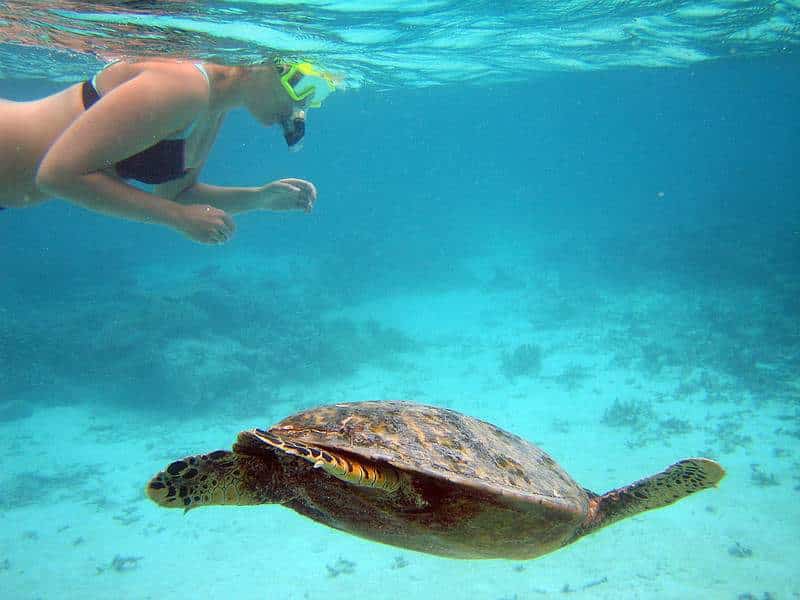
- Turtle snorkeling works best at seagrass meadows and cleaning stations where green and hawksbill turtles feed and rest. Many house reefs support resident populations, making encounters possible during daily snorkeling rather than requiring special trips.
- Shark nursery visits in locations like Dharavandhoo allow respectful observation of blacktip reef sharks in shallow nursery areas. These experiences require following strict distance guidelines and no-flash photography rules to avoid disturbing young sharks.
Ethics matter enormously for wildlife encounters—maintain minimum distances, never chase or touch marine life, and choose operators following responsible wildlife tourism practices.
Comprehensive marine life guidance in snorkeling in the Maldives, Maldives scuba diving, and swimming with manta rays and whale sharks in the Maldives.
Slow Adventures & Day Trips
- Sandbar hopping reveals dozens of tiny sand islands that appear and disappear with tidal cycles. Multi-stop excursions visit 3-4 different sandbars in single trips, each offering different snorkeling opportunities and beach configurations.
- Uninhabited island drop-offs provide ultimate castaway experiences—boats deliver you to pristine islands for 4-6 hours with snorkeling gear, shade, and picnic supplies while you explore completely alone. It’s surprisingly peaceful rather than lonely, especially for couples seeking privacy.
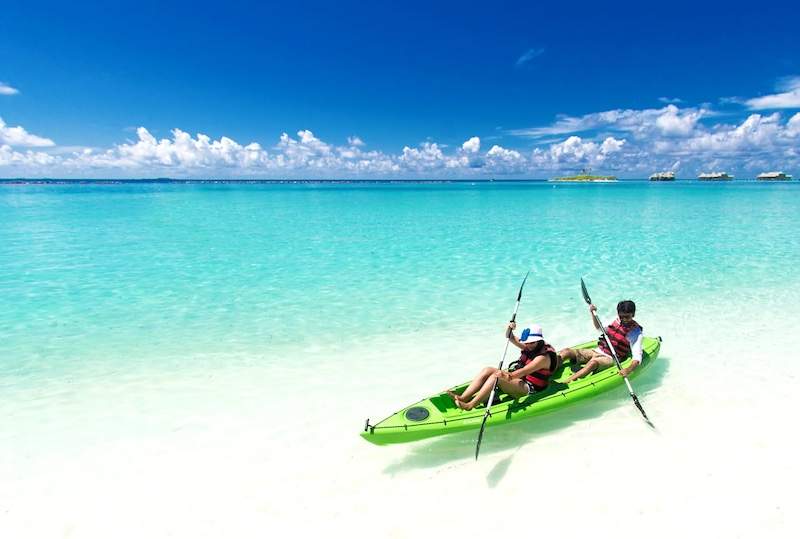
- Kayaking and stand-up paddleboarding work beautifully in protected lagoons where calm waters and excellent visibility reveal coral gardens and fish life beneath you. Most resorts provide complimentary equipment, making this a budget-friendly activity.
- Traditional sailing on dhonis offers cultural immersion while enjoying wind-powered island exploration. These wooden boats represent centuries of Maldivian maritime heritage and provide quieter, more contemplative travel than speedboats.
- Night and sunrise fishing connects you with traditional Maldivian livelihoods. Dawn fishing trips often yield the most success, while evening sessions provide romantic sunset timing. Many operators cook your catch as barbecue dinners.
Your base location affects access to different activities—check best islands in the Maldives for activity-focused island selection. Accommodation strategies in where to stay in the Maldives.
Culture & Community
- Local island tours reveal authentic Maldivian life—colorful houses, busy harbors, small mosques, and community areas where daily life unfolds at island pace. Popular cultural destinations include Dhiffushi, Huraa, and Maafushi, each offering different perspectives on island society.
- Mosque visits provide architectural and spiritual insights, but require respectful timing outside prayer hours, modest dress codes, and permission from local guides. The historic Friday Mosque in Malé showcases traditional coral stone construction.
- Boduberu drum performances represent the soul of Maldivian culture—traditional drumming that builds from meditative rhythms to ecstatic crescendos encouraging audience participation. Resort performances offer polished presentations, while local island shows provide more authentic community energy.
- Handicraft workshops teach traditional skills like lacquerware decoration, mat weaving (kunaa), and wood carving. Purchasing directly from artisans supports these timeless crafts while providing meaningful souvenirs.
- Cooking classes introduce staples like mas huni (tuna and coconut breakfast) and garudhiya (fish soup) while teaching about coconut palm utilization and fishing traditions.
Local markets in Malé and inhabited islands showcase tropical produce, dried fish, and daily commerce that keeps island communities functioning.
Cultural preparation and etiquette guidance in discovering local culture in the Maldives.
Wellness & Feel-Good Days
- Couples spa rituals in overwater pavilions combine therapeutic treatments with ocean views and natural wave sound therapy. Many resorts specialize in sunset massage sessions where golden light streams through treatment rooms.
- Sunrise yoga sessions on beaches or overwater decks provide peaceful starts to tropical days while connecting with natural rhythms. Some resorts offer guided meditation combined with marine biology education.
- Marine biology talks by resident scientists reveal reef ecology, conservation challenges, and marine life behavior patterns. These educational sessions enhance snorkeling and diving experiences by explaining what you’re observing.
- Coral planting activities allow direct participation in reef restoration efforts. Guests attach coral fragments to restoration frames under marine biologist guidance, receiving certificates and periodic growth updates. This provides meaningful environmental engagement beyond typical resort activities.
Conservation-focused experiences in Maldives wildlife & marine life. Romantic wellness in Maldives honeymoon guide.
Active & Watersports
- Beginner surf lessons work best at Thulusdhoo and other North Malé Atoll breaks where consistent waves and surf schools cater to learning. March-October provides the most reliable swells.
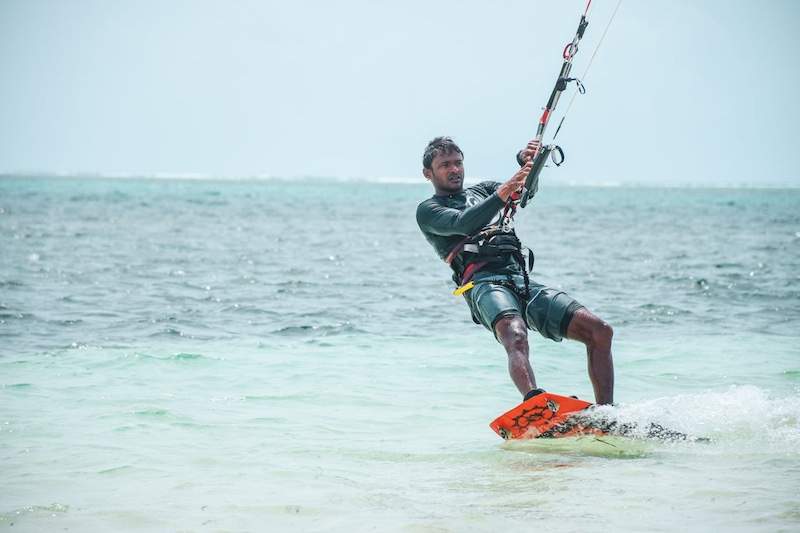
- Kitesurfing requires specific wind conditions and seasonal timing—generally May-October offers the best combination of wind strength and direction. Advanced instruction and equipment rental available at specialized centers.
- Parasailing provides aerial perspectives of atolls and reefs while requiring minimal water skills—you’re lifted directly from boat platforms to 100-200 feet above the lagoon. Most sessions run 10-15 minutes for $75-120.
- Jet ski adventures offer high-speed reef and island exploration, though environmental regulations restrict operation areas and times. Rental typically costs $25-50 per 15-30 minute session.
- Wakeboarding, water skiing, and kneeboarding take advantage of calm lagoon conditions ideal for towed sports. Resort instruction helps beginners master balance and timing.
Wind and weather timing crucial for water sports—see surfing hotspots in the Maldives and best time to visit the Maldives.
Budget-Friendly or Free
- House reef snorkeling provides unlimited marine encounters at most resort locations and many guesthouse islands—simply walk into the lagoon with mask and fins for colorful fish life and coral exploration.
- Beach walks reveal different perspectives on atoll geography, especially during tide changes when sandbars appear and disappear. Dawn and sunset timing offer the best light and wildlife activity.
- DIY sunset spotting requires only timing and positioning—western-facing beaches provide unobstructed horizon views, while elevated areas like jetty ends offer expanded perspectives.
- Community events on local islands sometimes welcome respectful visitors—festival celebrations, sports matches, and cultural performances provide authentic social experiences.
Budget optimization strategies in Maldives on a budget. House reef selection guidance in snorkeling in the Maldives.
Sample 3-Day Activity Plans
Honeymoon Focus
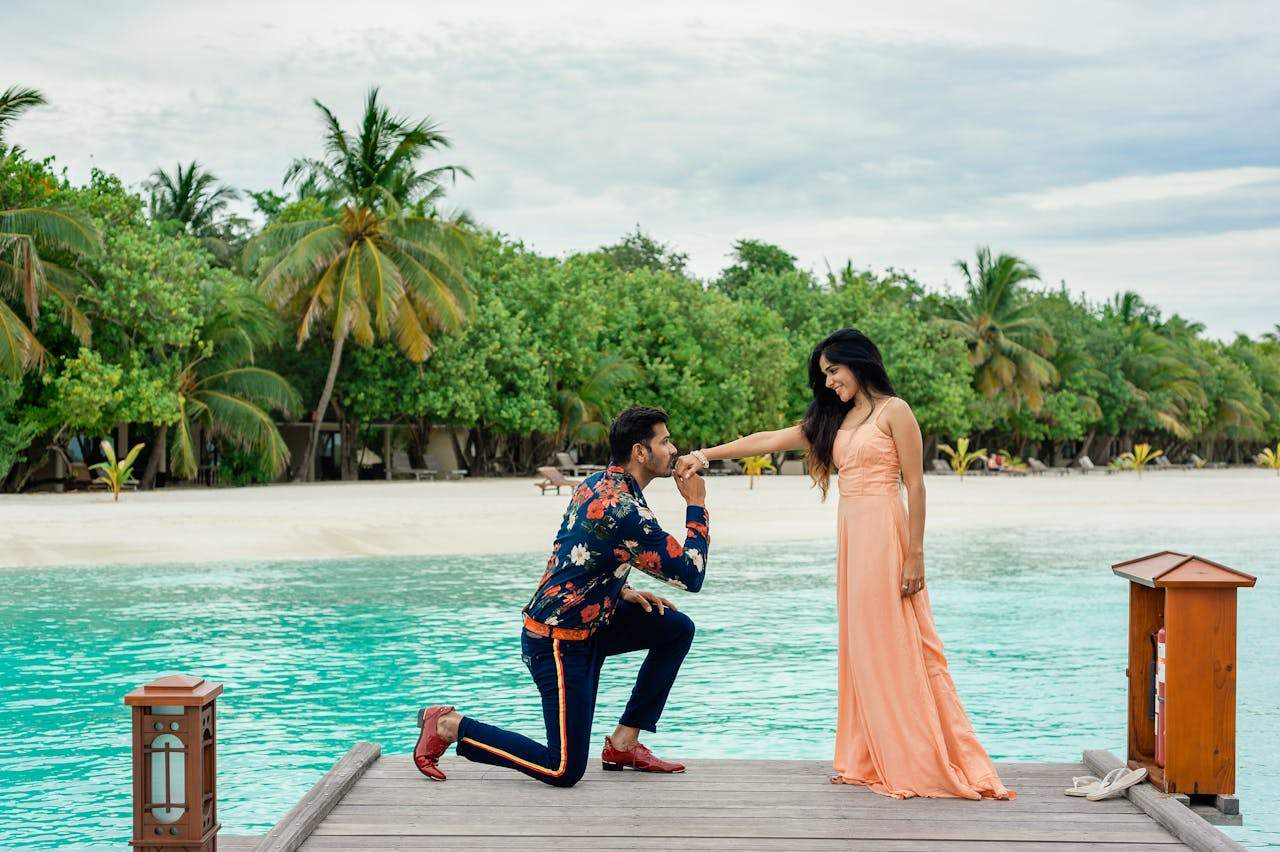
- Day 1: Private sandbank picnic with couples’ massage setup
- Day 2: Sunset dolphin cruise followed by starlit dinner on beach
- Day 3: Bioluminescence hunt and floating breakfast
Links: Maldives honeymoon guide
Family Focus
- Day 1: House reef snorkeling with kids, afternoon kayaking
- Day 2: Gentle sandbar visit with turtle spotting, evening cultural show
- Day 3: Glass-bottom boat reef tour, sunset fishing with barbecue
Links: family-friendly resorts in the Maldives
Wildlife Focus
- Day 1: Whale shark expedition in South Ari Atoll
- Day 2: Hanifaru Bay manta encounter (seasonal), night fishing
- Day 3: Coral planting participation, dolphin photography cruise
Links: swimming with manta rays and whale sharks in the Maldives
FAQs
Can you do excursions from local islands?
Absolutely. Local islands often offer better value excursions than resort operations—sandbank trips cost $30-50 versus $150+ from resorts, and you’ll experience authentic Dhivehi boat culture. Book through guesthouse reception or local tour operators.
Best months for dolphins?
Dolphins remain year-round residents, but April-October often provides the most active sightings during feeding periods. Evening trips (4:30-6:30 PM) offer the highest encounter rates as dolphins hunt in cooler temperatures.
Are sandbanks safe with tides?
Reputable operators monitor tidal schedules and weather conditions closely. However, always stay near your pickup point, carry emergency communication, and follow guide instructions about tide timing and current changes.
Conclusion
The Maldives rewards curiosity beyond resort boundaries. While overwater villa Instagram shots have their place, the archipelago’s real magic emerges through shared dolphin encounters, cultural exchanges with local families, marine conservation participation, and the simple wonder of bioluminescent waves lapping your feet under Milky Way skies.
The key is matching activities to your travel style and timing. Wildlife enthusiasts should prioritize seasonal windows for manta rays and whale sharks. Culture seekers benefit from local island combinations with resort stays. Families need age-appropriate activities and safety-focused operators. Budget travelers discover that some of the most memorable experiences—house reef snorkeling, village walks, sunset watching—cost nothing beyond respect and curiosity.
Plan your activity mix thoughtfully, but remain flexible for spontaneous opportunities. Sometimes the most magical Maldivian moments happen not on scheduled excursions but during unplanned encounters—stumbling upon a traditional fishing fleet at dawn, discovering bioluminescence during an evening beach walk, or joining an impromptu boduberu session in a village square.
For comprehensive trip planning including transfers, timing, and accommodation strategies, return to the ultimate Maldives travel guide.